
Living in a Gated Community
The Village at Castle Pines boasts an active and involved neighborhood. Several hundred members of the Homes Association were in
The Village at Castle Pines boasts an active and involved neighborhood. Several hundred members of the Homes Association were in



Living in The Village at Castle Pines gives us a front-row seat to the beauty of nature, including a wonderful variety of local birds. Bringing these feathered neighbors closer to our homes can be an incredibly rewarding experience, but doing it responsibly is key to keeping the local ecosystem healthy.
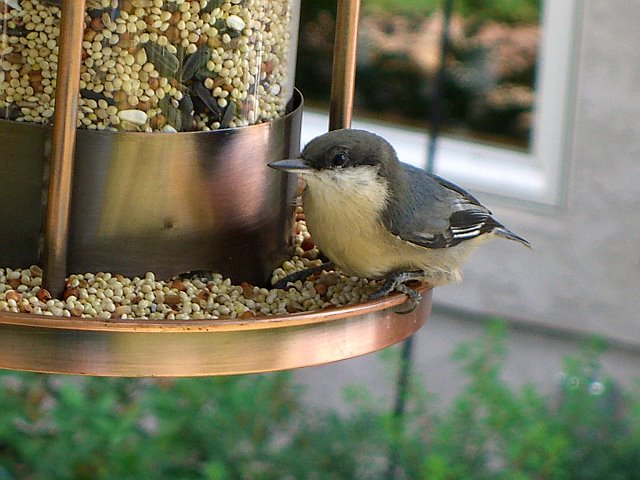
The single greatest benefit of feeding backyard birds is the deeper connection to nature that it fosters for us. However, bird feeding is actually a subject of controversy among many wildlife experts, as it can cause unintentional harm if it isn’t done properly.
The primary risks of backyard feeding include luring birds to shared surfaces where contaminated feeders can spread diseases, or inadvertently attracting natural predators like hawks and outdoor cats. It is important to know that wild birds are fully capable of surviving without our supplemental feeding, even during the coldest months, thanks to many remarkable evolutionary adaptations.
That being said, winter bird feeding can successfully improve survival and breeding rates for certain species when conditions turn exceptionally harsh with extreme cold or heavy snow. If you choose to feed in the winter, focus on providing high-value, high-energy foods like suet, nyjer seeds, and black oil sunflower seed. Above all, ensuring that birds have continuous access to fresh water year-round is actually more critical than providing food.
To protect both our residents and local wildlife, The Village discourages providing birdfeeders during “bear season,” which spans from April 1 through November. However, our local bears can occasionally emerge from hibernation during the winter as well.
A superior, safer alternative to traditional bird feeders is cultivating native plants in your yard to provide natural sustenance. For hydration, always provide fresh water; heated bird baths are an excellent option for supporting winter birds when natural sources freeze over.
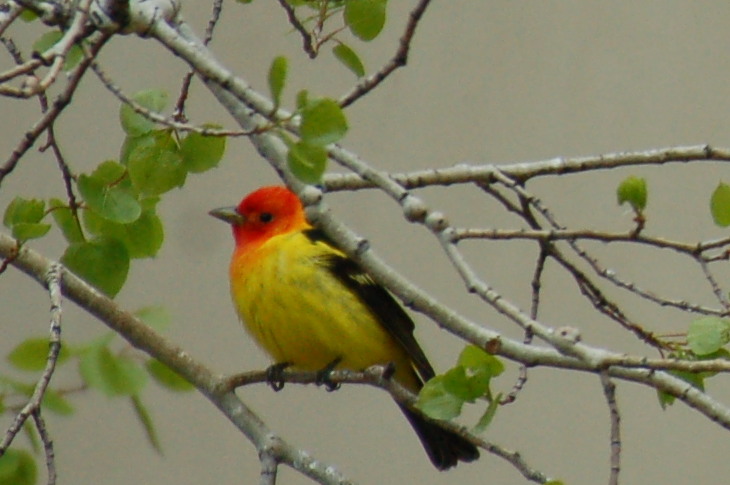
To keep your backyard bird haven safe, clean, and bird-friendly, keep these essential practices in mind:
Where you place your feeder is just as important as what you put inside it. To protect birds from dangerous window collisions, either place your feeder within 3 feet of a window or more than 30 feet away from it. Furthermore, unless your feeder is specifically engineered to be squirrel-proof, always place it at least 5 feet off the ground and at least 10 to 12 feet away from any structures or trees that squirrels could jump from.
Different birds prefer different dining styles. Use this quick reference guide to select the right setup for your yard:
|
Feeder Type |
Common Birds |
Best Seed/Food |
Pros & Cons |
|
Tube Feeder |
Chickadees, Nuthatches, Finches |
Black oil sunflower seed |
Pros: Keeps seeds dry in snow and limits waste; smaller ports deter jays. Cons: Needs frequent cleaning to mitigate finch eye disease and other risks. |
|
Hopper (House) Feeder |
Nuthatches, Finches, Jays |
Black oil sunflower or sunflower/safflower mix |
Pros: Large capacity; roof protects seed from the elements. Cons: Birds sit directly in the seed (higher disease risk); easily attracts squirrels. |
|
Platform/Tray Feeder |
Juncos, Doves, Spotted Towhees, Bluebirds |
Sunflower chips, millet-free seed mix, mealworms |
Pros: Excellent option for bird species that do not perch well. Cons: High disease risk if not cleaned often; spilled seed easily attracts rodents. |
|
Suet Feeder (Cage) |
Nuthatches, Chickadees, Woodpeckers |
Suet (plain or insect blend); use no-melt suet cakes in warm weather |
Pros: Excellent high-energy winter calorie source. Cons: Can melt or become rancid in hot weather; avoid using when it is over 85 degrees. |
|
Nyjer (Thistle) Feeder |
Goldfinches, Pine Siskin |
Fresh nyjer seed |
Pros: Very species-specific to target small finches. Cons: The tiny seed spoils incredibly quickly if it gets damp or old. |
|
Ground/Low Tray Feeder |
Juncos, Spotted Towhees, Mourning Doves |
Sunflower chips or white proso millet |
Pros: Mimics natural ground-feeding behaviors and helps shy species. Cons: Spilled seeds attract rodents; must never be placed near areas where a predator can hide. |
|
Bluebird Feeder |
Bluebirds |
Mealworms (live or freeze-dried), berries, fruits, suet nuggets |
Pros: Specialized designs with small entrances help deter larger competing species. Cons: Must be kept clean; must be placed near open grassland with nearby perches while avoiding bushy shrubs. |
|
Hummingbird Feeder |
Hummingbirds, and sometimes woodpeckers! |
Plain nectar (white sugar and water at a 1:4 ratio; never exceed 1:3) |
Pros: Provides an excellent, clean calorie source to supplement natural nectar. Cons: Must be cleaned regularly to prevent toxic fungal or bacterial growth. |