Living in a Gated Community
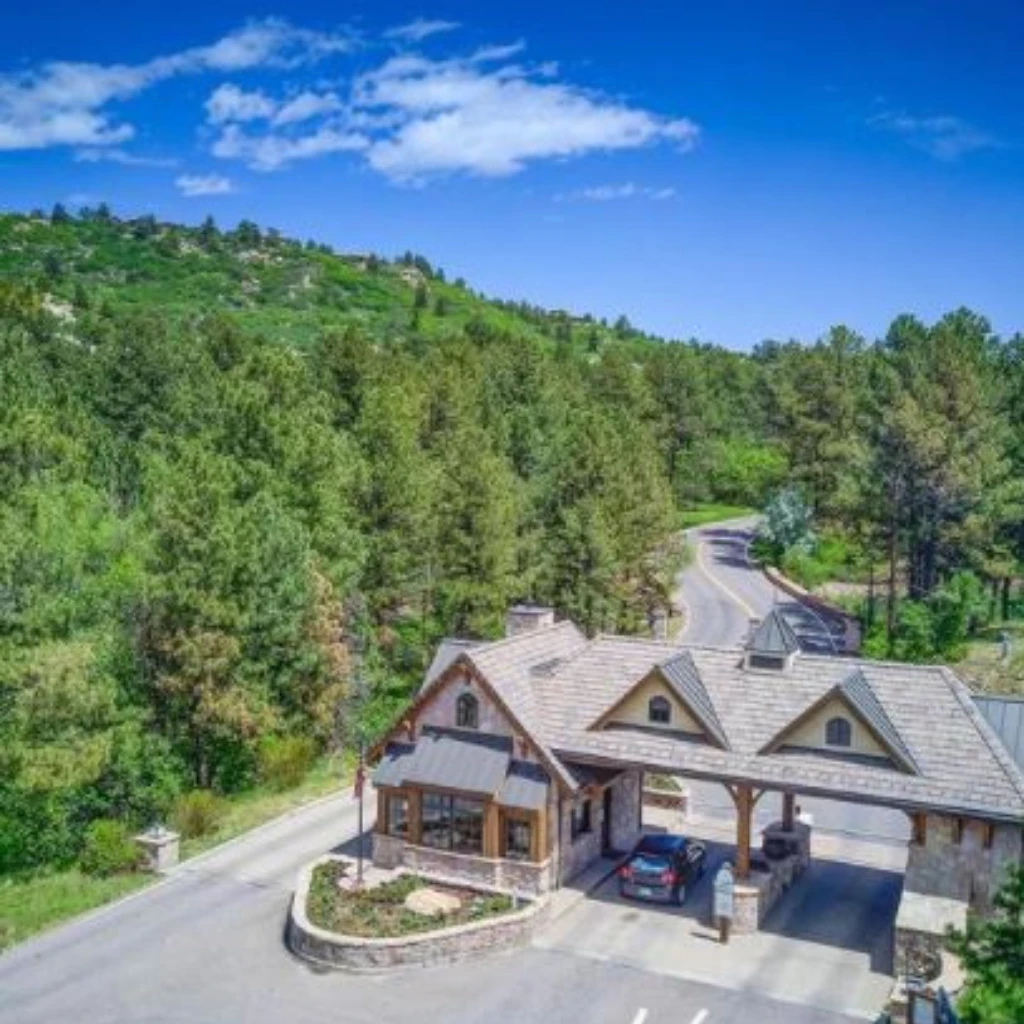
The Village at Castle Pines boasts an active and involved neighborhood. Several hundred members of the Homes Association were in
The Village at Castle Pines boasts an active and involved neighborhood. Several hundred members of the Homes Association were in



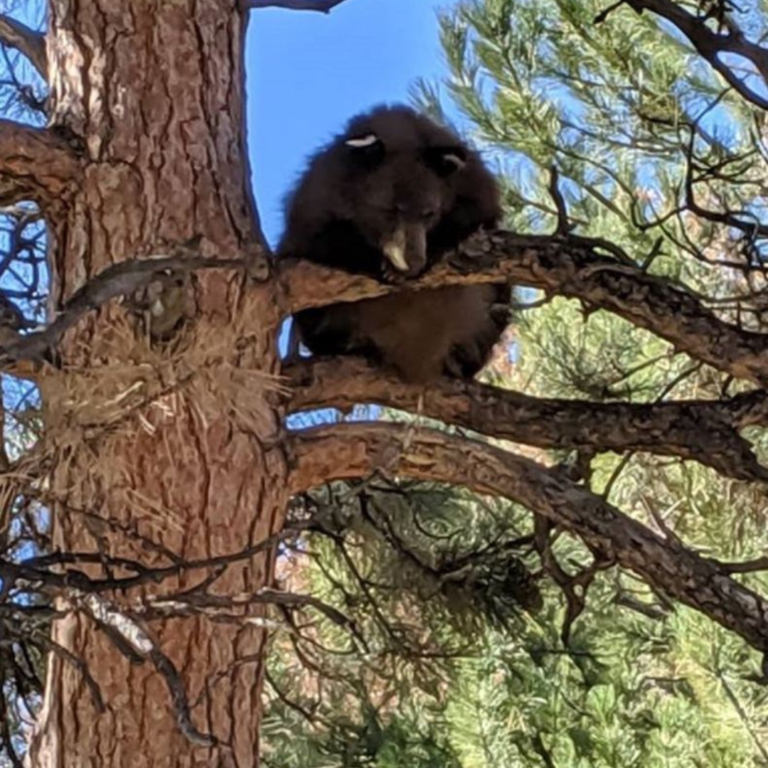
Living in The Village at Castle Pines places us right in the heart of Colorado’s breathtaking natural landscapes. While sharing our environment with local wildlife is one of the greatest privileges of our community, it requires us to be smart and proactive neighbors—especially when it comes to black bears. Understanding bear behavior and keeping our properties secure is the absolute key to keeping both our families and these magnificent animals safe.
Before managing bear activity around your home, it helps to know a bit about our local bear population:
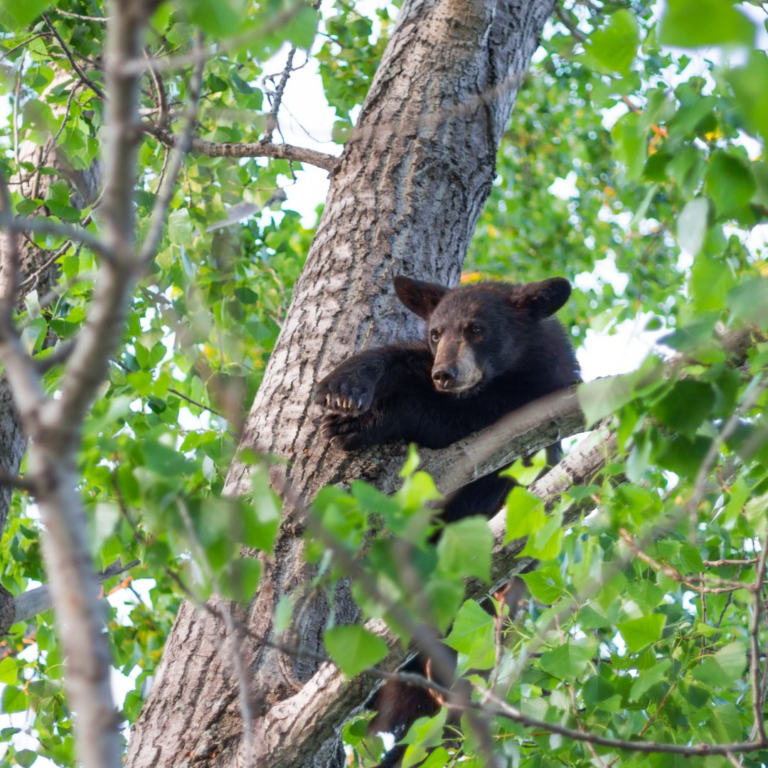
Bears are highly opportunistic omnivores whose lives revolve around food availability. Surprisingly, their diet is overwhelmingly vegetarian:
Most black bears in Colorado are active from mid-March through November. As natural food sources steadily decline in the late fall, bears enter their winter dens and begin torpor- a hibernation-like state that allows them to conserve energy until spring arrives. However, they may occasionally become active for short periods during the winter months if local weather conditions are unusually mild or if they are abruptly disturbed.
As residential communities expand, human-bear interactions naturally increase. This is particularly true when human attractants like unsecured trash, backyard bird feeders, or outdoor pet food are left accessible. Actual human-bear encounters are still quite uncommon because bears would generally prefer to avoid us entirely.
The real danger arises when bears become “food-conditioned”. Bears possess a remarkably powerful sense of smell and a long memory. If a bear successfully found food at a home in the past – whether in a trash can, a bird feeder, a pet bowl, or an unlocked vehicle – it is highly likely to repeatedly return to that exact spot, which often leads to much bolder, destructive, and unsafe behavior.
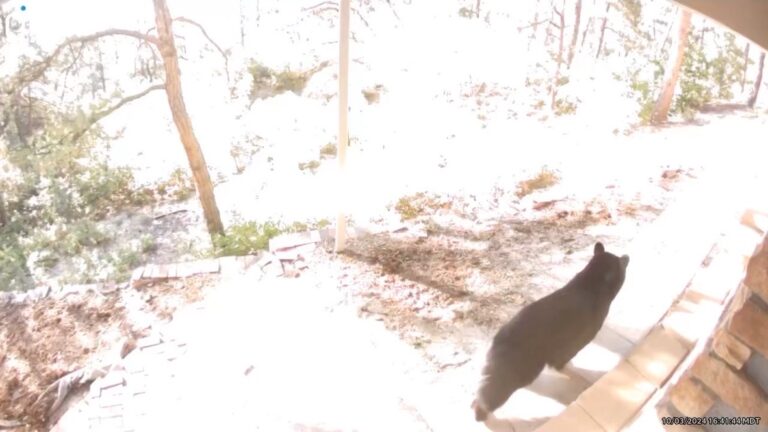
Preventing human-bear conflicts is always the most effective strategy for our neighborhood. Adhering to these strict community and state safety standards helps ensure bears remain wild:
Hazing a bear using loud sounds (such as banging pots and pans together or blowing a very loud whistle) or flashing bright lights is an excellent, temporary way to discourage a bear from hanging around your yard or approaching your home. However, hazing should only be attempted if you are standing in an entirely safe, location and the bear has a clear, unobstructed escape route to run away from you.
Important Safety Note: If a bear is located too close to your house structure, is actively inside your garage, or if you feel at all unsafe hazing the animal yourself, do not try to intervene. Our local Emergency Services team can respond quickly to handle and safely haze the bear for you.
If you happen to cross paths with a bear unexpectedly, knowing how to react can de-escalate the situation instantly:
Please contact Castle Pines Emergency Services at 303-688-6447 if you spot a bear in a location where it simply does not belong – such as close to your home entrance, directly manipulating your bird feeder, or loitering near your garage. Emergency Services tracks where bear activity is occurring across our neighborhood and can respond rapidly to ensure community safety. Letting them know a bear is in your yard is helpful for tracking data, even if no immediate field action is necessary.
Village Emergency Services works with Colorado Parks and Wildlife (CPW) to manage local bear activity. It is helpful to know that trapping and relocating a bear is used as a tool only when safety risks persist, as relocation is usually unsuccessful. Adult bears will almost always attempt to return to their home territory, or they fail to survive the attempt to return.
Ultimately, keeping our neighborhood bear-safe rests on all of our shoulders. For more information on living alongside black bears, you can explore the resources provided by Colorado Parks and Wildlife and the Colorado Bear Coalition.