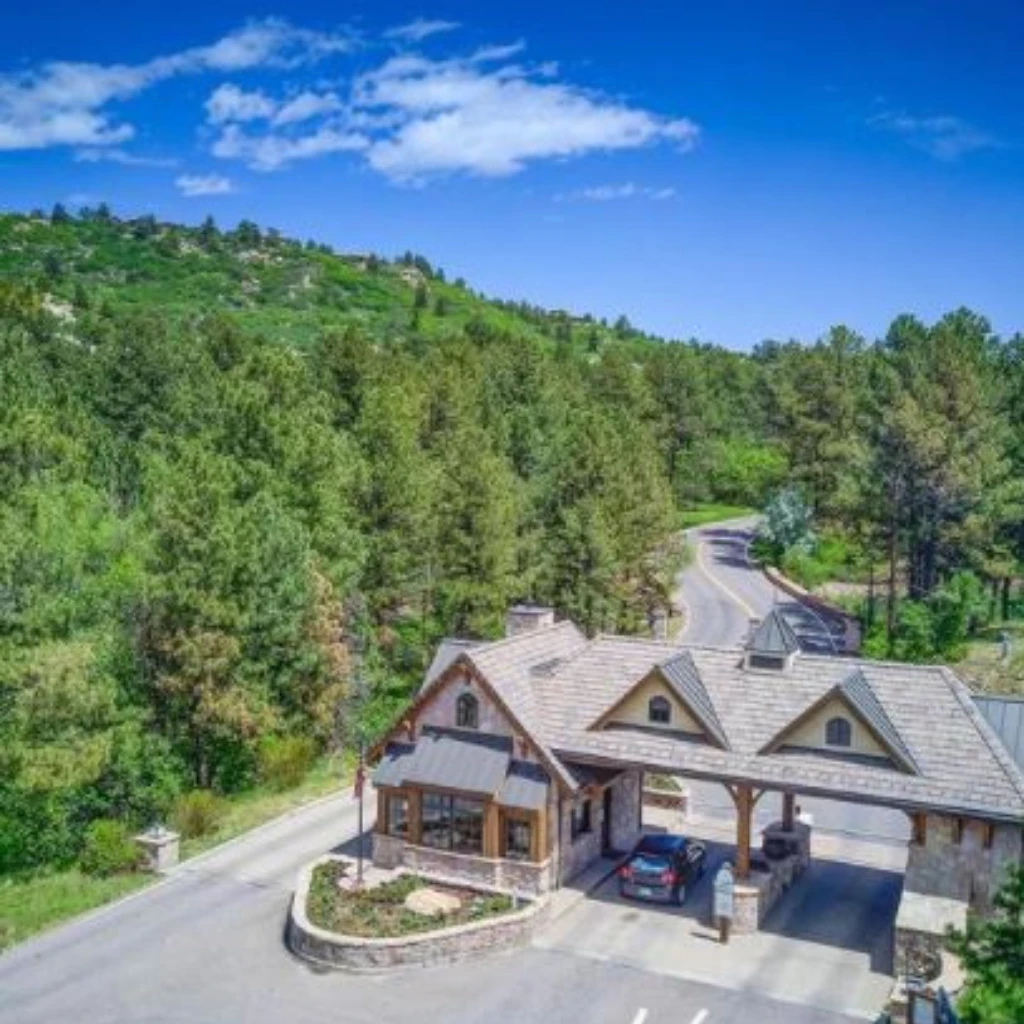
Living in a Gated Community
The Village at Castle Pines boasts an active and involved neighborhood. Several hundred members of the Homes Association were in
The Village at Castle Pines boasts an active and involved neighborhood. Several hundred members of the Homes Association were in



Transform your yard into a dedicated sanctuary for pollinators. Creating a pollinator-friendly habitat is an impactful way to bring your garden to life while supporting the fragile natural systems right outside your door.
Pollinators—including our native bees, butterflies, moths, beetles, and hummingbirds—are absolutely essential for the reproduction of many flowering plants. They drive the production of the fruits, vegetables, and seeds that sustain both local wildlife and people. Unfortunately, pollinators are currently in a state of decline. This drop in population is primarily driven by habitat loss, routine pesticide use, and a prevalence of non-native plantings that fail to provide insects with adequate food or shelter.
Supporting our local pollinators successfully starts with native plants, reduced chemical use, and providing basic habitat needs. Making these small, intentional changes in individual yards can collectively have a massive positive impact on our entire Castle Pines community.
Native plants and pollinators beautifully co-evolved alongside one another over thousands of years. Because of this shared history, native species provide the highest quality and most abundant sources of food—including nectar, berries, seeds, and pollen—along with optimal habitat structure.
Many native plants, which local pollinators depend on for survival, are physically specialized to only utilize native insects. Beyond their immense ecological value, native landscapes are highly practical for homeowners; they typically require significantly less water, fertilizer, and chemical inputs than non-native alternatives. Conversely, home landscapes dominated by non-native plants often provide very little ecological value for pollinators.
Designing a thriving habitat starts with selecting the right regional wildflowers, shrubs, and grasses. You can find excellent planning guidance through resources like the CSU Extension, Denver Audubon, and regional native growing tips.
When choosing your backyard flora, keep these strategic tips in mind:
A true wildlife sanctuary requires more than just food; pollinators also need resources to hydrate, rest, and raise their young safely.
Rethinking the traditional, high-maintenance grass lawn can open up massive benefits for our local ecosystem. Consider replacing underutilized grassy areas with native, drought-tolerant plantings. Even dedicating a small patch of your yard to native species can successfully attract a vibrant mix of pollinators and birds. Meanwhile, the remaining turf portion can be kept low-maintenance and easily integrated into your overall landscape design.
To achieve maximum pollinator support, focus on increasing your plant diversity. You can do this by combining flowering plants with non-flowering species that provide additional nesting sites, structural shelter, and alternative food sources.
A pollinator-friendly yard must ultimately be a safe environment. Homeowners should completely avoid or strictly minimize the use of pesticides—especially systemic insecticides, which can be highly toxic to bees, butterflies, and hummingbirds. To safeguard foraging wildlife, never apply insecticides to plants while they are actively in bloom.
Additionally, look to limit your routine herbicide use. Common backyard plants that are often dismissed as weeds, such as clover and dandelions, actually provide critical, early-season food for pollinators when very few other flowers are blooming. You can further protect the local ecosystem by reducing unnecessary outdoor lighting where possible, minimizing disruptions to our essential nighttime pollinators.