
Realtors

New Residents

Create a Safe, Wildlife-Friendly Yard in The Village

The Village at Castle Pines is beautifully situated as part of Colorado’s Front Range foothills ecosystem. As homeowners, thoughtful yard design allows us to actively support local birds, pollinators, and mammals while seamlessly maintaining our community standards. By understanding the natural dynamics of our environment, we can easily transform our properties into safe havens for wildlife.

The core principles of a wildlife-friendly yard boil down to two simple goals: providing essential food, water, shelter, and safe nesting sites , while actively reducing environmental risks by avoiding pesticides, preventing window collisions, and managing domestic pets responsibly.

Create Natural Shelter and Cover

To make wildlife feel secure, your yard should mimic the natural structures found in the surrounding foothills habitat.
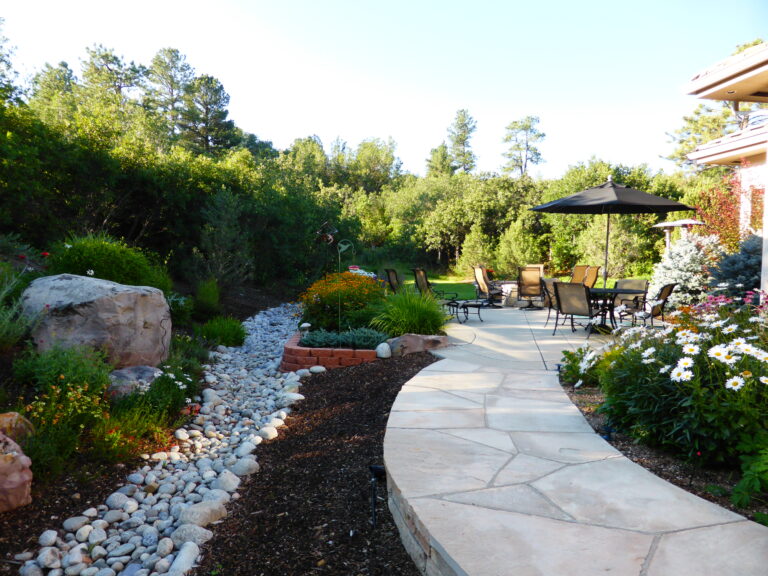
  • Maintain layered vegetation: Incorporate a structural mix of trees, shrubs, grasses, and groundcovers to replicate a natural Front Range environment.
  • Consult community guidelines: Always follow the Castle Pines Village Approved Plant List , and give clear priority to the native plants featured on the list. Native vegetation is naturally better adapted to support local wildlife. You can explore regional options via Denver Audubon’s Colorado Native Plant Resources (https://www.denveraudubon.org/colorado-native-plant-resources).
  • Leave natural debris: Keep some leaf litter, rocks, and natural debris undisturbed in low-traffic areas of your yard to provide vital shelter for small mammals, ground-nesting birds, reptiles, and overwintering beneficial insects.

Support Nesting Birds and Small Mammals

Spring and summer are busy times for local wildlife families. Providing the right support can help the next generation thrive.

  • Install nest boxes: Set up specialized nest boxes to offer safe nesting spaces for cavity-nesting species like bluebirds, chickadees, nuthatches, and wrens. For tips on placement and birdhouse styles, visit NestWatch (https://nestwatch.org/learn/all-about-birdhouses/).
  • Practice bird feeder hygiene: Keep your bird feeders thoroughly cleaned to avoid spreading contagious avian diseases. Organizations like the National Audubon Society provide simple ways to keep your feeders disease-free (https://www.audubon.org/news/three-easy-important-ways-keep-your-bird-feeder-disease-free).
  • Manage household pets: Keep cats indoors or otherwise securely restrained when outside, and always closely supervise your dogs to prevent wildlife harassment.
  • Time your landscaping: Avoid pruning trees and bushes during the peak avian nesting season, which spans from April through July.
  • Avoid over-pruning: Do not over-prune your yard’s trees and bushes, as local wildlife heavily relies on dense branches for food and nesting sites. For sustainable techniques, you can look into stagger-pruning methods (https://www.gardeningknowhow.com/ornamental/shrubs/stagger-pruning).

Use Native Plants to Build Habitat

Science shows that planting native species is one of the most effective ways to make a measurable positive impact on your local ecosystem (https://www.nwf.org/Native-Plant-Habitats/Impact/What-the-Science-Says).
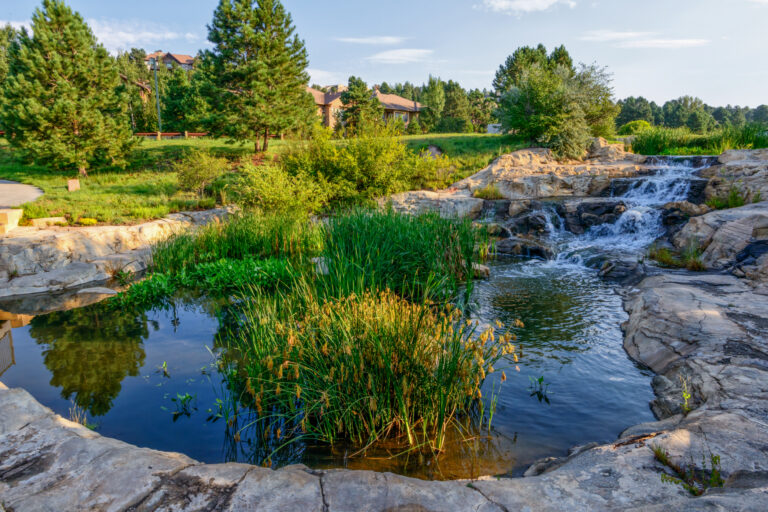
  • Provide built-in resources: Native plants naturally supply the highest quality food, shelter, and nesting materials for local fauna.
  • Fuel the food web: Native plants support the specific native insect populations that are critical for feeding nesting birds and their chicks.
  • Embrace a natural aesthetic: Allow some designated areas of your yard to remain natural with tall grasses, shrubs, and native thickets.
  • Reduce your turf lawn: Minimizing traditional grass lawns and expanding natural areas supports local wildlife while significantly reducing your household water use.
  • Plant seed and berry producers: Include beautiful, nutrient-rich plants in your garden design, such as coneflower, blanketflower, blue gama, little bluestem, serviceberry, and chokecherry.

Provide Safe Water Sources

Clean water is essential for wildlife survival, especially during hot summers and freezing winters.

  • Select the right birdbath: Use shallow birdbaths designed with gently sloped edges, and add stones to provide birds with a safe landing spot for perching.
  • Offer water year-round: Keep your water sources fresh and available in every season, utilizing a heated birdbath during the winter months.
  • Position sources strategically: Place your water features near protective cover so birds feel secure, but keep them far enough away from low bushes where predators could easily hide and ambush them.

Reduce Yard Hazards

Creating a true sanctuary means eliminating common neighborhood hazards that threaten wild animals.

  • Minimize chemical treatments: Avoid or minimize the use of pesticides and herbicides, especially systemic insecticides that can severely harm birds and other vital pollinators. Remember, birds rely on healthy insect populations for survival. You can view bird-safe lawn treatment guidelines online (https://todayshomeowner.com/lawn-garden/guides/lawn-treatments-that-are-safe-for-birds/).
  • Apply window collision prevention: Protect local birds from dangerous window strikes by installing external screens, decals, or patterned window films. These effective tools are available at local birding stores or online via the American Bird Conservancy (https://abcbirds.org/strategies/solutions-for-homes/).
  • Secure common attractants: Always secure your trash cans, compost bins, and outdoor pet food to avoid attracting larger, potentially dangerous wildlife to your home.
  • Avoid feeding mammals: Do not intentionally feed wild animals other than maintaining clean bird feeders, and always sweep up spilt seed promptly to prevent attracting rodents to your property.