Realtors

New Residents

How Native Plants Benefit Wildlife: Nurturing Our Local Ecosystem

Landscaping in The Village at Castle Pines is about more than just maintaining beautiful curb appeal. Choosing the right plants can transform your yard into a thriving haven for local wildlife. Native plants are highly encouraged in our community because they are naturally adapted to our environment, meaning they require significantly less water, fertilizer, pesticides, and herbicides than non-native alternatives. Beyond their low-maintenance benefits, native plants support local wildlife in vital ways that non-native plants simply fall short.
Supporting Our Avian Neighbors

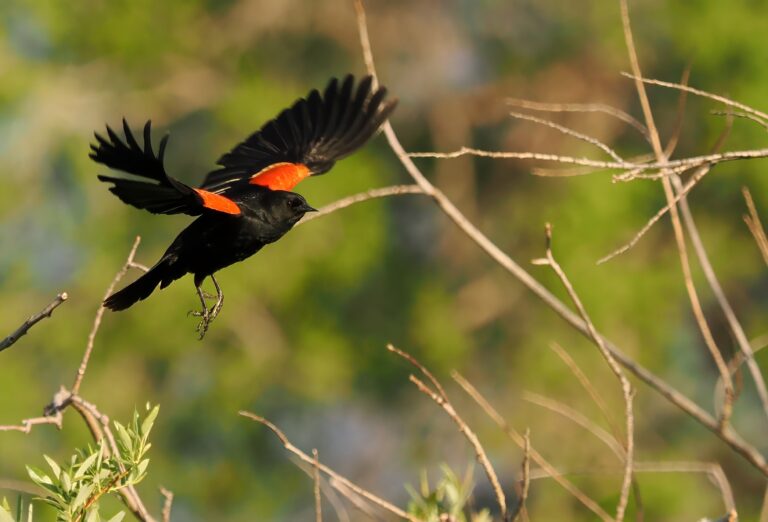
While backyard bird feeders are a wonderful way to view birds, native plants offer a superior, year-round food source that fills critical gaps in their life cycles.

  • Essential food for chicks: Native plants support the native insect populations that birds heavily rely on, particularly for feeding their young. Nesting chicks require soft-bodied insects to survive and grow, meaning they cannot subsist on seeds alone.
  • Perfect seasonal timing: Native plants provide berries, seeds, and nectar that are perfectly synchronized with the seasonal needs of birds, whether they are breeding, migrating, or trying to survive the harsh Colorado winter.
  • A safer food web: Cultivating native plants reduces birds’ overall exposure to toxic chemicals by fostering a more natural, self-sustaining food web in your yard.

Lifelines for Pollinators, Butterflies, and Moths

Native pollinators have spent thousands of years adapting alongside local flora, creating specialized relationships that are crucial for their survival.

  • Nutritional matches: Native plants provide nectar and pollen that perfectly match the unique nutritional needs of our native bee and pollinator species.
  • Specialized survival: Some pollinators have evolved to rely solely on specific plant species to survive. Native plants are uniquely suited to bloom in perfect sync with these pollinator life cycles from early spring all the way through the fall.
  • Host plants for caterpillars: Fulfilling reproduction cycles requires specific vegetation, as the caterpillars of many butterfly and moth species can only develop on specific native plants.
  • Preventing population decline: Without native host plants, many butterflies and moths are physically unable to reproduce, even if there is plenty of nectar available to adult insects. If they do manage to reproduce on non-native plants, their success is highly limited, ultimately causing the population to decline.

Natural Pest Control with Beneficial Insects

If you want a healthier garden without relying on harsh chemicals, native plants offer an organic solution by welcoming built-in security for your landscaping.
  • Attracting natural predators: Native plants support populations of beneficial predatory insects like ladybugs, lacewings, spiders, and helpful wasps.
  • Organic balance: These predatory species work around the clock to help control pest insects naturally.
  • Chemical reduction: By letting nature manage the pests, you drastically reduce the need for synthetic, chemical pesticides in your yards and gardens.

Benefits to Amphibians, Reptiles, and Mammals

The positive impacts of native landscaping cascade up the entire food chain, providing shelter and sustenance to a wide array of creatures.

  • Amphibian food and breeding: Native plants support the healthy insect populations that local amphibians depend on for food. Additionally, their root structures help stabilize the soil and water edges that are highly important for amphibian breeding and movement.
  • Sustenance for small mammals: Native trees and shrubs produce the nutritious seeds, fruits, and nuts utilized by small mammals like mice, voles, and squirrels.
  • Supporting apex predators: Fostering healthy populations of small mammals provides a critical prey base for larger neighborhood predators, including foxes, coyotes, bobcats, and majestic raptors like hawks and owls.
  • Crucial cover: Thick, native vegetation offers the dense cover necessary for wildlife nesting and protection from predators and elements.

It All Starts in the Soil

The true secret weapon of native plants lies hidden beneath the surface of the earth.

  • Superior root systems: Overall, native plants improve soil structure, composition, and water retention far better than non-natives. This is due to their deep root systems and their natural adaptation to local soil organisms.
  • Ecosystem foundation: A superior, well-balanced soil composition supports healthy vegetation growth, which in turn successfully supports wildlife at every single level of our local ecosystem.

Local and National Resources for Your Garden

If you are ready to incorporate native plants into your landscape design, a wealth of information and growing tips are available through these specialized organizations:

Colorado-Based Resources:

National Resources: