Realtors

New Residents

Keep Wildlife Wild and Pets Safe: Guidelines for The Village

Living in The Village at Castle Pines means we share our stunning natural environment with an abundance of local wildlife. Because of this close proximity, pet owners in our community are strongly encouraged to keep their pets away from wild animals for several important reasons: protecting your beloved pet, safeguarding native wildlife, and even protecting human health.

When our pets approach wildlife, wild animals can become severely stressed and may alter their natural behaviors. Furthermore, if wild animals begin associating people or pets with danger or food, it can ultimately lead to those animals being relocated or euthanized. Understanding how to navigate these interactions is essential for maintaining a safe and harmonious community.

Wildlife Can Seriously Injure or Kill Pets

It is vital to remember that many of the wild animals roaming near our properties are highly skilled predators. Additionally, wild animals will naturally defend themselves when approached or startled by dogs or cats. Even animals that seem completely calm or passive can suddenly become aggressive if they feel threatened, or if a pet gets too close to their young.

The Realities of Disease Transmission

Wild animals carry a variety of dangerous diseases that can easily infect domestic dogs and cats. Some of these highly transmissible diseases include:

  • Avian flu: Particularly the H1N1 avian flu strain.
  • Distemper.
  • Leptospirosis.
  • Plague.
  • Rabies.
  • Tetanus.

Once infected, our pets can potentially spread some of these serious diseases to humans or other neighborhood animals. It is also critical to note that even dead animals are fully capable of transmitting diseases to your pet.

Proactive Steps You Can Take:

  • Discuss with your veterinarian which vaccinations are most appropriate for your pet’s lifestyle and ensure they remain completely up to date.
  • Seek immediate veterinary advice or care for any pet that has been in direct contact with wildlife, even if the wild animal appeared healthy or was already dead.

How Domestic Pets Harm Wildlife

The danger goes both ways; our domestic pets can pose a significant threat to local fauna. Even the friendliest, most well-behaved dogs can chase, injure, or severely stress wild animals, including ground-nesting birds and small mammals. This unwanted interaction can severely disrupt natural feeding, breeding, and overall survival, especially during the harsh winter months or when animals are actively raising their young. For cat owners, it is important to realize that cat predation stands as the number one cause of human-associated bird deaths.

Legal Boundaries and Village Policies

To preserve our local ecosystem, it is against both Village Policy and Colorado Statute to interfere with or harass wildlife.

  • Village Policy 3.4: Our local regulations state that any resident caught hunting, interfering with, or harassing wildlife will be issued a $200 fine.
  • Colorado State Law: Wildlife harassment is prohibited under Colorado Revised Statutes Title 33, Parks and Wildlife § 33-6-128.
  • State Park Expectations: Many areas across Colorado, especially state parks and wildlife areas managed by Colorado Parks and Wildlife, require dogs to be leashed specifically to prevent wildlife harassment.

Best Practices for Village Pet Owners

To keep everyone safe, the community recommends adhering to these pet safety standards:

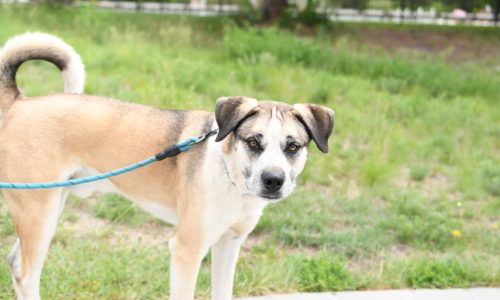
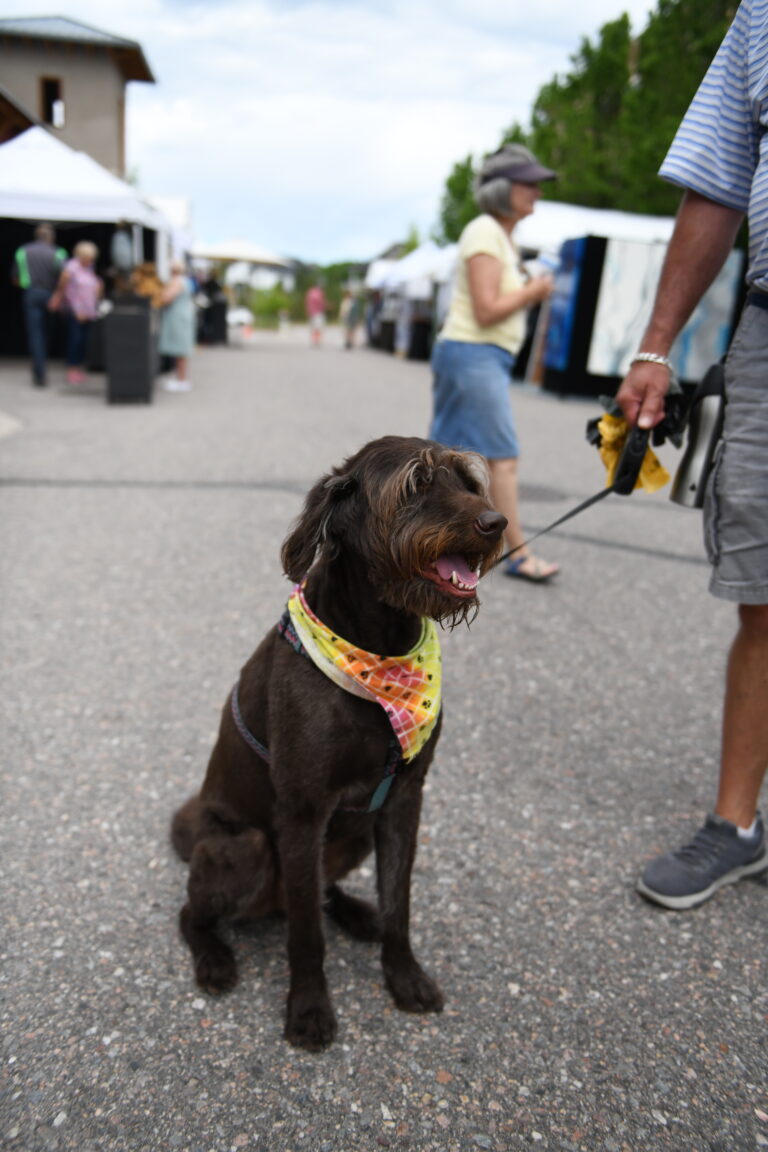
  • Always leash on trails: Keep your dogs on a physical leash whenever you are utilizing community trails and open spaces.
  • Voice control limitations: In The Village, even dogs that are well-trained under voice control must be kept on a physical leash at all times when they are not on the owner’s private property.
  • Supervise outdoor time: Remember that invisible fences do not protect your pets from outside predators coming onto your property; always closely supervise your pets when they are outdoors.
  • Prevent chasing behaviors: Do not permit your pets to chase, corner, or come into physical contact with wildlife under any circumstances.
  • Protect local bird populations: Keep your cats indoors. When they do go outside, they should be securely contained in a pet carrier, a specialized “catio,” or kept on a leash.
  • Give wildlife a wide berth: Always give wild animals at least 100 yards of space to ensure they have an escape route and do not feel threatened.