
Living in a Gated Community
The Village at Castle Pines boasts an active and involved neighborhood. Several hundred members of the Homes Association were in
The Village at Castle Pines boasts an active and involved neighborhood. Several hundred members of the Homes Association were in



Living in The Village at Castle Pines means embracing the natural beauty of Colorado’s dry, variable climate. With that environment comes a diverse population of local insects. While it can be frustrating to find multi-legged visitors inside your home or crowding your patio, many of these creatures are highly beneficial—serving as essential pollinators, natural pest controllers, and ecosystem recyclers. Rather than striving for total elimination, our community goal is smart, sustainable management.
Here is a practical guide on how to protect your home while maintaining a healthy balance with the nature around us.
Most indoor insect issues are directly driven by three factors: moisture, shelter, and seasonal movement. Establishing a strong perimeter is the single most effective way to manage insects before they become a problem.
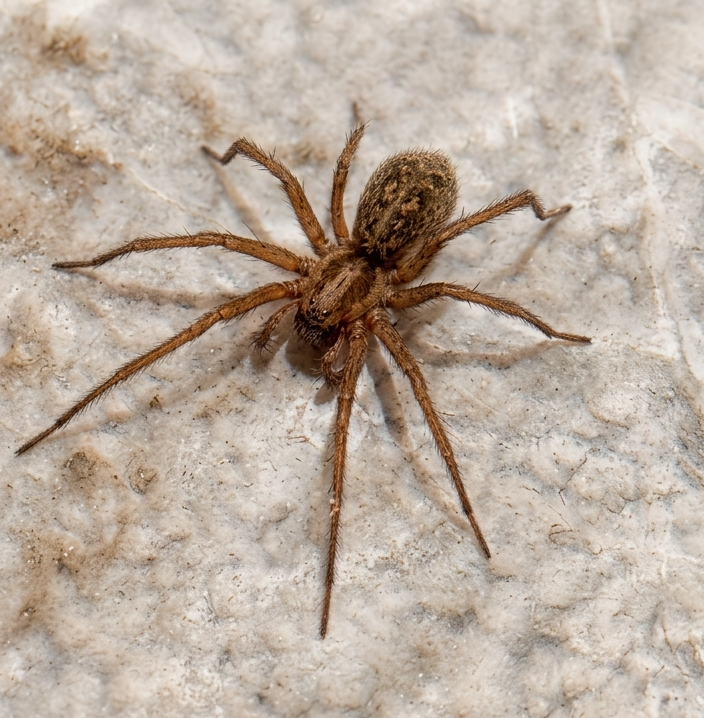
Spiders are incredibly beneficial neighbors that work around the clock to help manage other, more invasive insect pests in and around your home.
Ant infestations usually involve two main culprits, each requiring a specific eye:
Flies are more than just an annoyance; they present real sanitation challenges around the home.
.
When it comes to stinging insects, proper identification is incredibly important. These species are frequently confused with one another, yet their behavioral patterns, ecological roles, and safety risks differ significantly.
Insect Type | Physical Identification | Behavioral Traits | Nesting Habits & Smart Management |
Honeybees | Fuzzy, thick, and rounded bodies. | Focused almost entirely on foraging flowers; rarely aggressive unless actively defending their hive. They are critical pollinators. | Build wax comb structures inside cavities like hollow trees, walls, or chimneys. Management: Essential pollinators—never spray them. Strong natural scents like mint, eucalyptus, basil, catnip, chives, and vinegar can act as deterrents. If a large temporary swarm forms on a branch, contact a local beekeeper rather than an exterminator for safe removal. |
Paper Wasps | Slender bodies characterized by a very narrow waist; their long legs visibly hang down during flight. | Generally non-aggressive unless their physical nest is directly disturbed. They act as highly beneficial predators of common garden pests. | Construct open, umbrella-shaped paper combs with easily visible cells. Management: If a nest is located where it won’t be disturbed and poses no safety risk, leave it alone and wait until winter to remove it. Note that commercial wasp traps do not attract paper wasps. If a nest forms in a high-traffic zone like a porch or entryway, remove it early, as wasps can become aggressive toward the end of the season. Prevent them by clearing away food waste, sugary drinks, and unwashed barbecues. |
Yellowjackets | Smooth, compact bodies with bright yellow and black markings. | Fast, highly aggressive, and represent our most common stinging problem. They can sting repeatedly, creating an extreme risk for allergic individuals. | Build enclosed papery nests, most frequently underground, inside wall voids, or hidden within dense shrubs near human activity. Underground nests may only show a small entry hole. Management: Yellowjackets aggressively defend territory, swarming if disturbed and chasing intruders 50 to 100 feet. Wearing protective gear is critical if managing them. Nests built inside walls require extra precautions; consider hiring a professional pest control service, especially if anyone in your home is allergic. Remove outdoor attractants and hang commercial traps early in the spring. |
Hornets (Bald-faced / White-faced) | Noticeably larger than paper wasps or yellowjackets; black bodies with distinct white facial markings. | Highly defensive and aggressive near their nest, capable of stinging repeatedly. They are a type of yellowjacket but are beneficial because they prey on other yellowjackets and pests, and serve as pollinators. | Build large, enclosed, football-shaped paper nests that hang visibly from tree branches or home structures. Management: If a nest is far from human activity and cannot be easily disturbed, consider waiting until winter to remove it. Hornet colonies naturally die off in the fall and their nests are never re-used. If removal is necessary, use the same high-precaution strategies as yellowjackets; protective gear is absolutely critical. For hard-to-reach nests or if allergies are a factor, call a professional pest control service. |