Living in a Gated Community
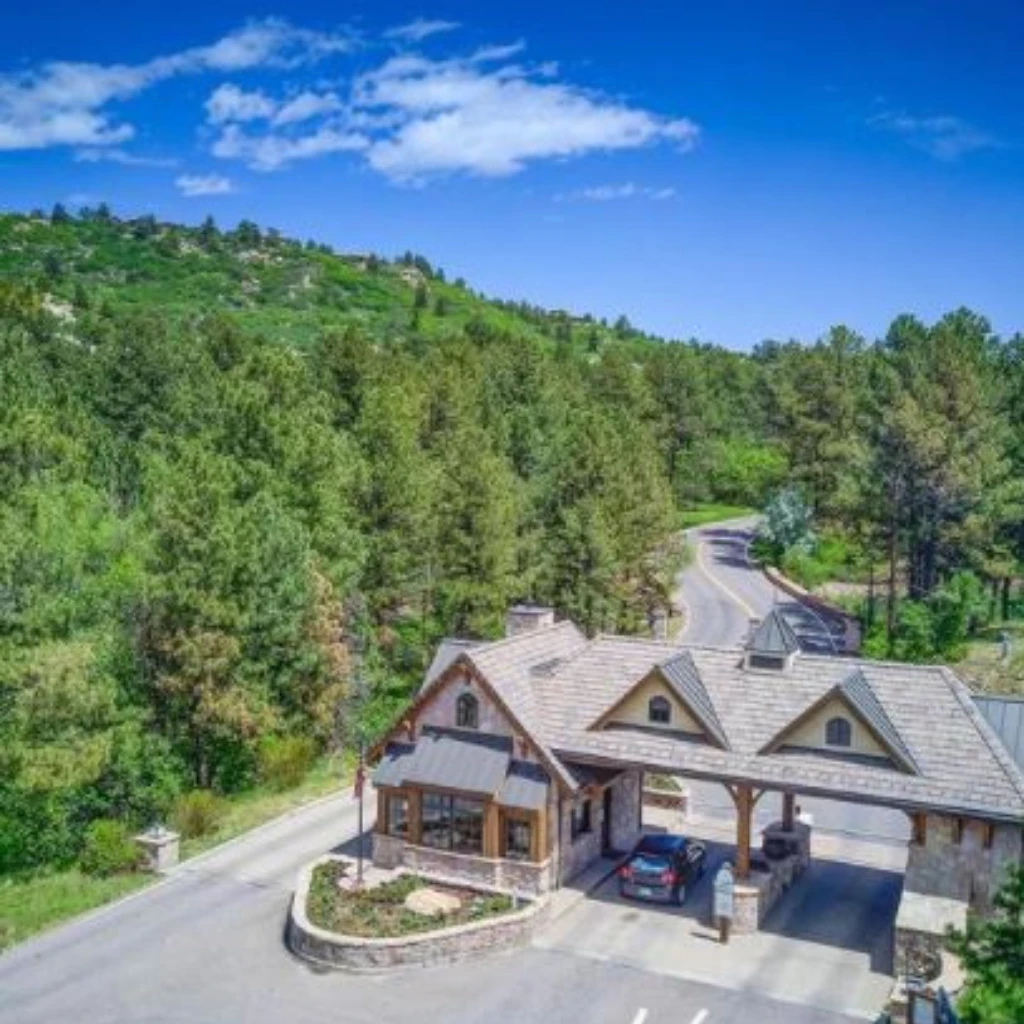
The Village at Castle Pines boasts an active and involved neighborhood. Several hundred members of the Homes Association were in

The Village at Castle Pines boasts an active and involved neighborhood. Several hundred members of the Homes Association were in
Living in The Village at Castle Pines means sharing our space with magnificent, large wildlife. However, suburban environments like ours provide easy food sources for both deer and elk, making our residential yards highly attractive and encouraging repeated, unwanted visits. To better understand the overarching patterns of wildlife impacts in our region, you can explore Colorado Parks and Wildlife’s research on elk and deer damage.
Fostering a beautiful garden while living alongside these herds requires a bit of strategy. Here is what you need to know to balance community beauty with our local ecosystem.
To effectively protect your landscaping, it helps to understand exactly which species is visiting your yard, as their behaviors and sizes vary significantly:
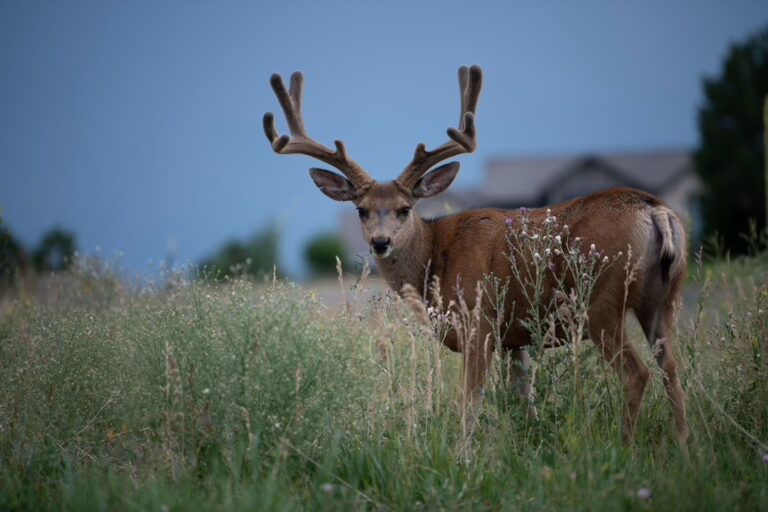
Mule Deer: These animals typically stand 3 to 3.5 feet tall and weigh between 95 and 330 pounds. They tend to travel in small, intimate groups of 2 to 15 animals. You can easily identify them by their distinctively large ears, white rumps, and tails that are noticeably longer than an elk’s.
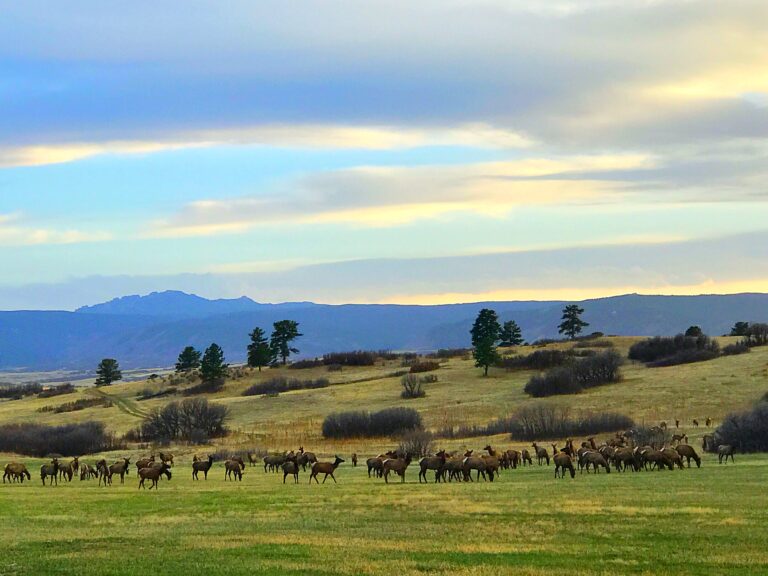
Elk: Much larger and heavier, elk stand 4 to 5 feet tall at the shoulder and weigh a substantial 500 to 700 pounds. They are much bulkier than deer, feature cream-colored rumps with shaggy fur, and congregate in massive herds ranging anywhere from 10 to 200 animals.
Both species have unique feeding and behavioral habits that can take a serious toll on your home garden:
Fortunately, homeowners have several proven methods to mitigate landscape damage. For a comprehensive look at regional management, you can review the Colorado State University Extension guide on preventing deer damage.
Physical exclusion remains your absolute best line of defense against hungry wildlife.
Repellents can help deter animals from taste-testing your garden, but they require ongoing maintenance.
While no plant is completely “deer-proof,” choosing species that wildlife naturally finds unappealing can make your yard a much lower priority for passing herds.
Small changes in how you maintain your immediate yard can discourage repeated visits from local wildlife: