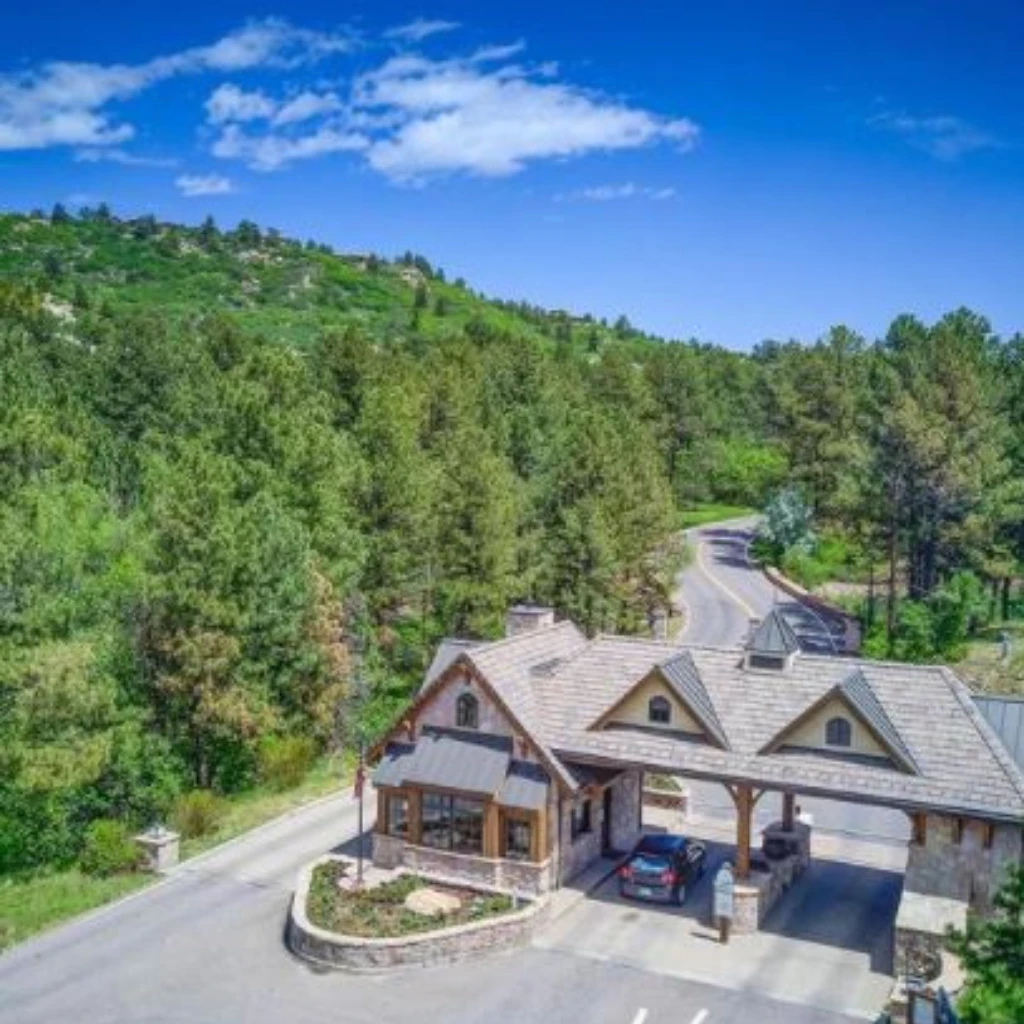
Living in a Gated Community
The Village at Castle Pines boasts an active and involved neighborhood. Several hundred members of the Homes Association were in
The Village at Castle Pines boasts an active and involved neighborhood. Several hundred members of the Homes Association were in



Living in The Village at Castle Pines means sharing our beautiful, wooded neighborhood with a variety of small, highly resourceful mammals. While creatures like raccoons, skunks, and squirrels are a natural part of our foothills ecosystem, they are frequently drawn to residential properties in search of food and shelter. Understanding their behaviors and knowing how to secure your home is the best way to prevent conflicts and maintain a safe environment for everyone.
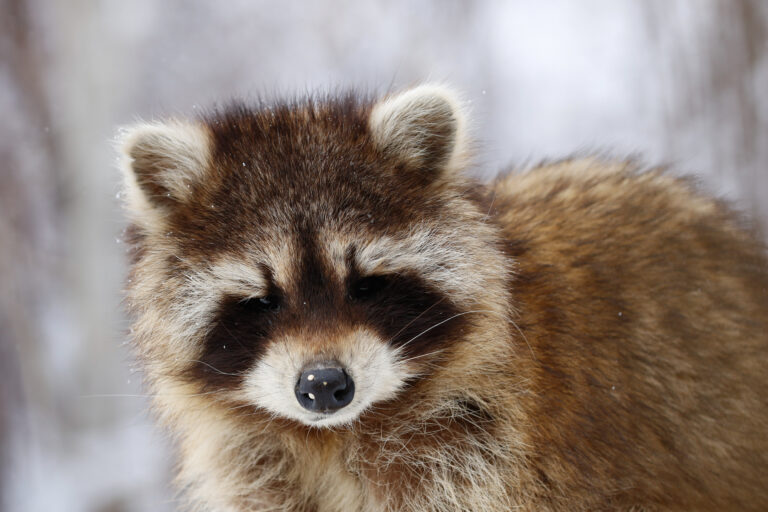
Raccoons are highly intelligent, nighttime foragers that thrive in our community. Thanks to their incredible physical dexterity, they can easily open container lids, enter garages, and access home attics. Once they locate a reliable food source, they can become incredibly persistent. Common residential raccoon issues include raided trash cans, damaged gardens, chimney or attic nesting, and physical conflicts with household pets.
Skunks are also common in the area and are heavily attracted to lawns with grubs, unsecured household trash, and sheltered denning spaces underneath backyard decks or sheds.
While both raccoons and skunks are generally nocturnal, it is entirely normal to see them out during the day from late spring to early fall. This period marks “baby season,” a time when young animals naturally begin leaving their dens or nests to explore.
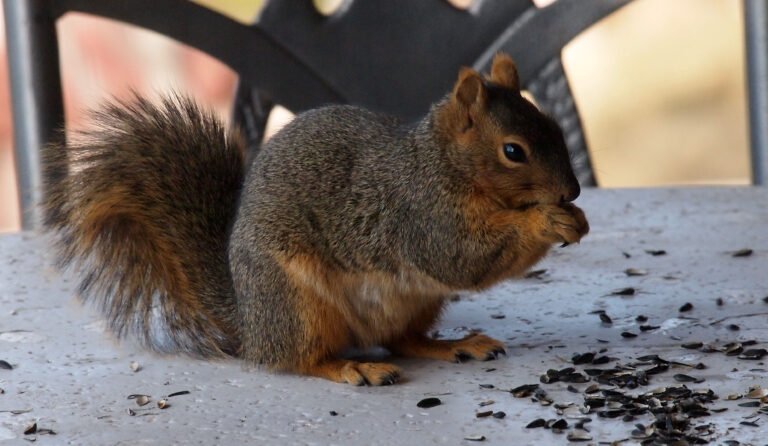
Squirrels are an entertaining sight, but they can cause unexpected property damage when they get too comfortable around structures. They frequently chew on home wood siding, electrical wiring, and garden plants, and they will readily enter attics through incredibly small openings. Unsecured backyard bird feeders serve as a primary attractant for them.
To protect our local ecosystem, the Castle Pines Homes Association Rules and Regulations (updated July 25, 2024) state that hunting, trapping, or otherwise interfering with or disturbing wildlife in The Village is prohibited. Additionally, with the exception of designated bird feeders, residents are not permitted to feed wildlife within the community.
There is a practical exception for immediate pest control: small pests weighing less than two pounds—such as mice, voles, rats, insects, and spiders—that are found inside a Dwelling Unit structure or are actively causing structural damage may be controlled. When managing these small pests, homeowners must use means that, to the extent practicable, avoid causing injury to other local wildlife. Any other wildlife species that is generally considered to be a pest, or is causing natural resource damage or public endangerment, must be reported directly to the Association so it can be handled by a responsible authority.
You do not have to handle wildlife emergencies alone. Our community has established protocols to assist residents with small mammal conflicts:
Ultimately, preventing human-wildlife conflicts before they happen is always preferable to engaging with an animal after a problem arises. Consistently removing attractants and eliminating structural access points around your home is the absolute key to success—and don’t forget to securely lock your pet doors at night! Wildlife management is always most effective when an entire neighborhood works together collectively to reduce attractants across our shared boundaries. For additional tips on safeguarding your property, visit the Colorado Parks and Wildlife portal.