
Realtors

New Residents

Managing Voles, Mice, and Gophers
in the Yard and Garden

Living in The Village at Castle Pines connects us deeply with nature, but it also means sharing our landscaping with a variety of small, industrious rodents. While voles, mice, and pocket gophers are a natural part of our foothills ecosystem, they can cause unexpected and frustrating damage to our lawns, gardens, and underground systems if left unchecked.

Understanding the unique behaviors of these subterranean and surface-dwelling neighbors is the first step toward managing them humanely and maintaining a healthy backyard environment.

Voles: The Surface-Runway Builders

Colorado is home to eight different species of voles, which residents in The Village often refer to as meadow or field mice. For more detailed news on regional vole activity, you can check out the Colorado Wildlife Control Operators Association insights (https://cwcoa.org/category/wildlife-in-the-news/voles-rodent-damage-8-different-types-of-voles-in-colorado-breeding-control-grass-damage/).
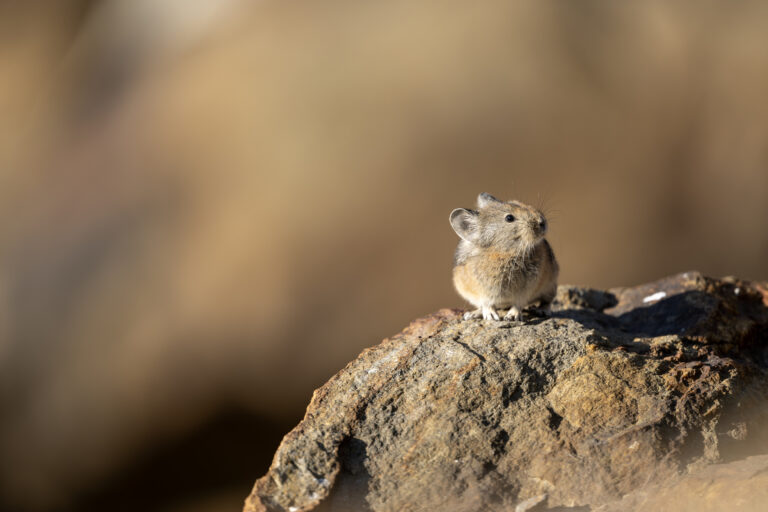
  • Identification: Voles are small, brown or light gray mouse-like rodents measuring between 4 to 8.5 inches long, characterized by blunt faces and short tails.
  • Behavior: Unlike gophers, voles spend the vast majority of their time living in groups near or directly on the soil surface. They create highly visible surface runways, which are narrow, 1- to 2-inch-wide paths chewed through turfgrass that become especially noticeable right after winter snowmelt.
  • Impact: Voles are active year-round and feed on grass, roots, bulbs, and tree bark. Their chewing can girdle young trees and shrubs, harm plant life, and damage outdoor infrastructure like wiring, pipes, and underground sprinklers.
  • Ecological Value: On the positive side, their burrowing naturally aerates the soil, and they provide a critical food source for local raptors. Because they are a fundamental part of a healthy ecosystem, completely eliminating them is unrealistic. Natural predators like coyotes, hawks, owls, and garter snakes play a vital role in keeping their populations balanced.

Vole Management Strategies:

  • Habitat Modification: Reduce dense vegetation across your property, keep decorative mulch layers no thicker than 2 to 3 inches, and clear out dense groundcover that provides them with easy protective shelter. Learn more about landscaping choices at Live To Plant (https://livetoplant.com/the-role-of-ground-cover-in-attracting-or-deterring-voles/).
  • Exclusion: Protect the bases of vulnerable young trees by wrapping them in 1/4-inch hardware cloth mesh. Ensure the barrier stands 12 inches above the ground and is buried 6 inches beneath the soil surface.
  • Repellents: Commercially available and natural odor-based repellents can discourage browsing, though they require frequent reapplication to remain effective. You can find further guidance through the Colorado State University Extension (https://extension.colostate.edu/).
  • Trapping: For small populations, placing mechanical snap traps perpendicular to their active surface runways is often the single most effective reduction method.
  • Rodenticide Warning: Due to the severe secondary-poisoning risks posed to family pets and native wildlife—including the hawks and owls that naturally hunt them—chemical rodenticides should only be used with extreme caution for significant, severe infestations.

Mice: Managing Garden Contamination and Damage

While we don’t always think of mice as traditional outdoor garden pests, they can cause serious structural issues to your flower beds and produce health risks. You can explore more about outdoor mice behaviors at Forever Yard (https://foreveryard.com/is-it-normal-to-have-mice-in-your-garden/).

  • Health Risks: Mice can transmit serious diseases, such as hantavirus and leptospirosis, to both humans and pets. Transmission typically occurs through direct contact with contaminated soil or water containing feces, urine, or saliva, as well as exposure to hitchhiking ticks and fleas.
  • Garden Impact: In the garden, mice will chew on plants, dig up prized flower bulbs, consume planted seeds, damage root networks, and contaminate vegetation.
  • Signs of Trouble: Key indicators that mice are nesting in your garden beds include mouse droppings, tiny paw prints left along dirt trails, and suddenly damaged or dying plants.

Garden Mouse Control Guidelines:

  • Exclusion and Cleanup: Seal up visible entry points around your garden perimeter if possible, and install fine-mesh screens to shield precious plants. Remove close attractants, such as spilt birdseed, and keep your garden spaces clear of clutter that could serve as shelter. For detailed garden tips, view Garden Fellas (https://gardenfellas.com/how-to-get-rid-of-mice-in-your-garden/).
  • Trapping Regulations: Utilize standard mechanical snap traps. Keep in mind that relocating live mice off your property is illegal in Colorado without an official permit from Colorado Parks and Wildlife, which limits the practicality of non-lethal traps.
  • Natural Deterrents: Plant strong-smelling herbs like mint, lavender, or rosemary directly into your garden to act as natural deterrents. You can also apply localized repellents like peppermint oil, cloves, clove oil, cayenne pepper, or place ammonia-soaked rags inside resealable plastic bags with ventilation holes punched in them.
  • Chemical Restraint: Chemical rodenticides are highly discouraged in home gardens due to the profound poisoning risks they introduce to neighborhood pets and other local wildlife.

Pocket Gophers: The Underground Excavators

Colorado is home to four distinct species of pocket gophers, all of which are entirely fossorial, meaning they live exclusively underground. For more information on these species, you can check out the Colorado Parks and Wildlife species profiles.

  • Identification: Pocket gophers measure 6 to 12 inches long, range in color from black to gray, and feature highly visible front teeth. Unlike social voles, gophers are solitary animals and do not tend to live in groups.
  • Behavior: Because they prefer soft soil where they can easily excavate expansive tunnel networks, gophers are rarely ever seen above ground. Instead, they leave behind fan-shaped soil mounds with no visible burrow entrance—this unique mound shape is the clearest sign of an active gopher.
  • Impact: Pocket gophers are active all year long and feed on plant roots, bulbs, tubers, and underground stems. If they tunnel directly beneath a plant, you may even see the vegetation get pulled completely underground.

Gopher Management Strategies:

  • Subsurface Exclusion: Install underground barriers made of durable hardware cloth or specialized gopher wire beneath your garden beds or underneath brand-new sod. You can also protect new trees, bushes, or garden perennials by planting their root balls directly inside wire mesh bags.
  • Habitat Modification: Reduce easy attractants by limiting overly lush, heavily irrigated turfgrass, which naturally encourages deep root feeding.
  • Deterrent Realities: Note that commercial vibration stakes and ultrasonic sound devices have never been proven to be effective gopher deterrents. While gophers tend to avoid plants with exceptionally strong textures or intense smells, very few plants are entirely gopher-resistant. Physical exclusion and trapping remain far more reliable.
  • Professional Standards: Trapping pocket gophers requires an official permit; therefore, homeowners should always consult a licensed pest control agency to handle the job safely.
  • Last-Resort Chemical Rules: Most wildlife and agricultural sources consider rodenticides to be an absolute last resort reserved exclusively for major, unmanageable infestations due to their extreme toxicity to humans, pets, and wild predators. Additionally, the state of Colorado strictly regulates the purchase and application of many rodenticides.