Realtors

New Residents

Supporting Ill, Injured, and Abandoned Mammals: Special Situations

Living in The Village at Castle Pines means we are fortunate to share our beautiful surroundings with a variety of wildlife. However, encountering a young animal alone or finding a wild creature in an unexpected bind requires a careful, informed approach. Here is what you need to know about navigating special wildlife situations, from handling baby animals to safe transport and indoor removal.

Navigating Encounters with Baby Animals

When you come across a young wild animal, your first instinct might be to step in, but it is important to pause.

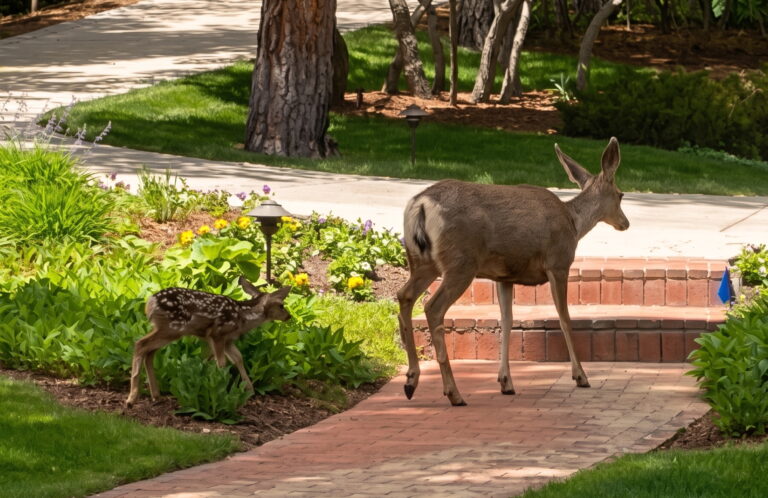
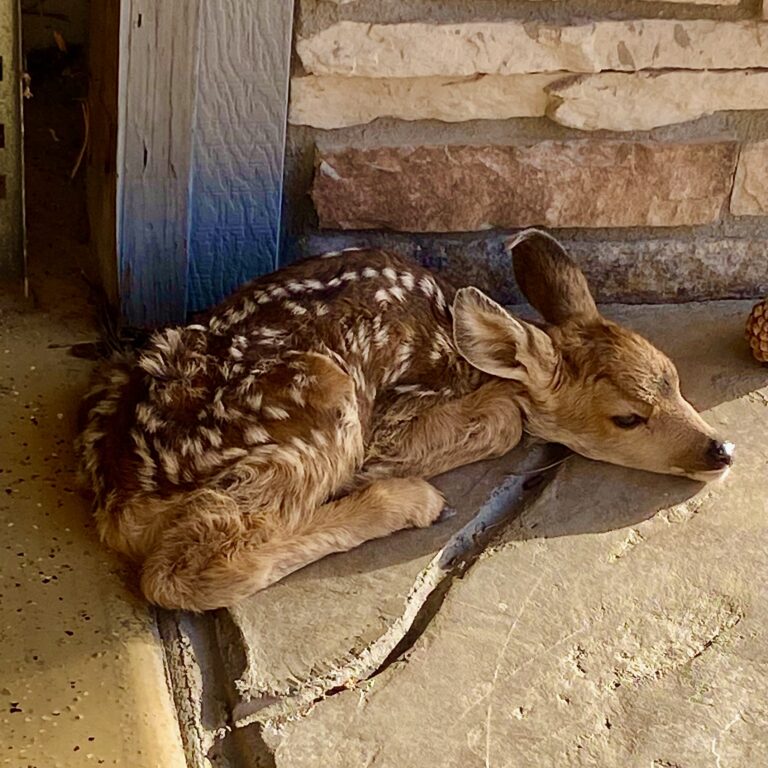
  • Do not assume abandonment: Never automatically assume a baby animal has been abandoned by its parents. In the wildlife world, the mother is usually nearby, unless the baby is visibly injured, the mother is known to be dead, or a predator is actively lurking in the area.
  • Know who to contact: If you determine that the animal is truly abandoned or injured, immediately contact Emergency Services at 303-688-6447 or get in touch with a licensed wildlife rehabilitator.
  • Provide immediate comfort: While you are waiting to receive professional guidance, focus on keeping the animal warm, quiet, and well-protected.
  • Send a photo if you are unsure: If you are uncertain about the animal’s status, take a quick photo and send it to a local rehabilitation center. The experts there can evaluate the situation and provide clear direction on whether the baby should be left alone, brought to a rehab center, or if a parental reunification should be attempted.

General Procedures for Safely Transporting Wildlife

If it is determined that an injured animal needs to be moved to a rehabilitation facility, safety must be your top priority. Always follow these standard procedures to reduce risk to yourself and the animal:

  • Wear protective gear: Always put on sturdy gloves and long sleeves before handling wildlife to protect yourself against bites, scratches, or potential disease exposure.
  • Use a cover: Placing a blanket or another soft cover over the animal is helpful in keeping it calm during the process.
  • Select the right container: Choose a secure transport container, such as a sturdy box, crate, or pet carrier that features proper ventilation.
  • Minimize noise and movement: Keep the transport environment completely calm and quiet to minimize the animal’s stress and prevent shock.
  • Withhold food and water: Do not offer any food or water to the animal unless you are instructed to do so by a veterinarian or the wildlife rehabilitation center.

Community Guidelines and Restrictions

When managing wildlife situations in The Village, residents must follow specific local guidelines regarding transportation and species restrictions:

  • Resident responsibilities: Community residents are fully responsible for the transportation of small mammals and birds.
  • Assistance for medium mammals: For medium-sized mammals, the Rocky Mountain Wildlife Alliance (720-831-8130) may be able to assist with transportation, though this is entirely dependent on their available resources.
  • Striped skunk restrictions: Do not attempt to transport a striped skunk under any circumstances; by law, wildlife rehabilitation facilities are prohibited from accepting them.

Animals Trapped Indoors or Tangled Outside

Wildlife occasionally finds its way into human structures or gets caught in outdoor hazards. If an animal becomes trapped inside your home or is found tangled in fencing or netting outside, do not attempt to handle the situation alone. You can contact Emergency Services at 303-688-6447, and they may be able to assist in safely removing the animal from the premises as well as providing further instructions on how to handle the situation.