
Realtors

New Residents

Supporting Injured Birds: Basics of Wildlife Assistance in The Village

Living in The Village at Castle Pines gives us a front-row seat to Colorado’s beautiful avian population. But what should you do if you find a feathered neighbor that looks like it’s in trouble? Supporting an injured, ill, or abandoned bird requires a careful approach to ensure you’re actually helping rather than causing inadvertent harm.
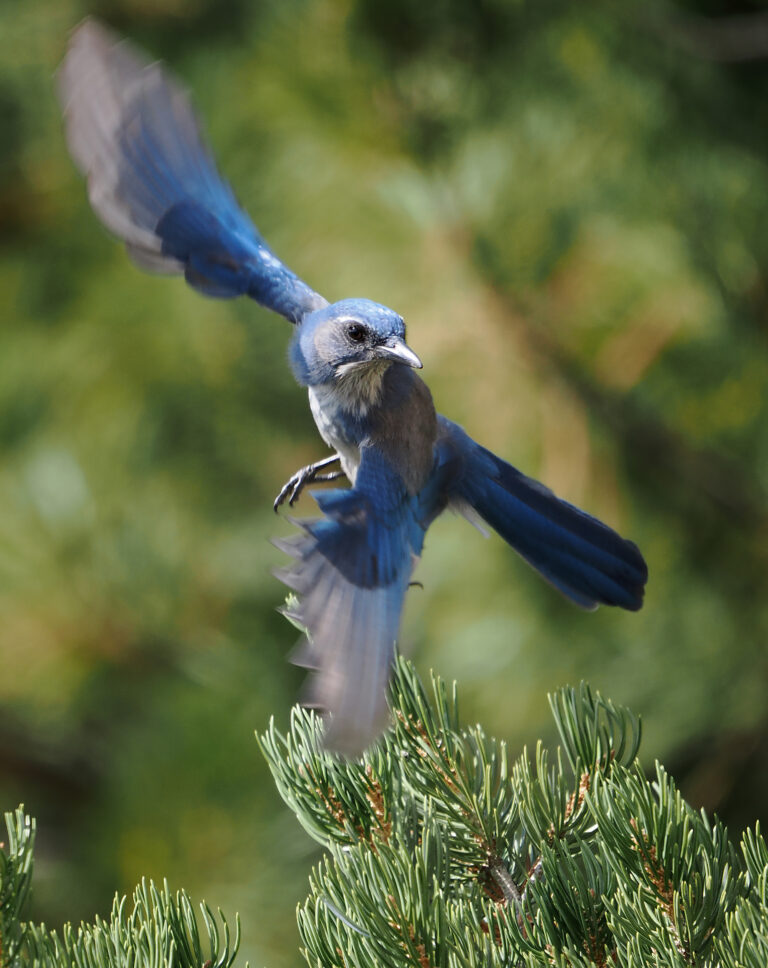
First Step: Stop and Observe

It is natural to want to step in immediately, but the first and most critical step is to stop and observe. Surprisingly, most birds that appear to need help actually do not.

When a bird likely needs your help:

  • The bird is visibly bleeding, has a drooping wing, or is completely unable to stand or hold its head up.
  • It has hit a window, was hit by a vehicle, or was recently attacked by a cat or dog.
  • It appears lethargic, is shivering, or is entirely unresponsive.
  • The bird is physically caught in netting, fencing, glue traps, or string.

Identifying What to Do Based on the Situation

If you determine that a bird on the ground genuinely needs assistance, your action plan depends entirely on its age and condition:

  • Nestlings: These are baby birds with mostly bare skin and eyes that are closed or barely open. You should immediately look around for the nest. If the nest is intact, gently return the bird to it. It is a complete myth that the parents will reject the baby if you touch it. If there is no intact nest or the adults are dead, place the bird in a small, dark, ventilated box and contact a licensed rehabilitator immediately.
  • Fledglings: These are young birds that have feathers and can hop or flutter, often found on the ground. They are usually not abandoned, as the parents are typically nearby watching and feeding them. You should leave the bird alone unless it is in immediate danger from pets, predators, or vehicles.
  • Injured Birds: If a bird exhibits signs of injury—such as bleeding, a drooping wing, an inability to stand, lack of alertness, or moving erratically—it requires care. Place it in a small, dark, ventilated box and contact a licensed rehabilitator immediately. Keep it safe from predators and pets, and ensure it is protected from the weather while awaiting professional guidance.
  • Window Strikes & Animal Attacks: If a bird hits a window and cannot fly away, or if it was attacked by a cat or dog, treat this as an emergency. Place it securely in a small, dark, ventilated box and contact a licensed rehabilitator right away.
  • Healthy Birds: If the bird is alert, upright, and able to move around normally, leave it alone and observe it safely from a distance.

A Special Note on Wild Turkeys

Wild Turkeys are a common sight in our area, but an injured turkey requires extra precaution.
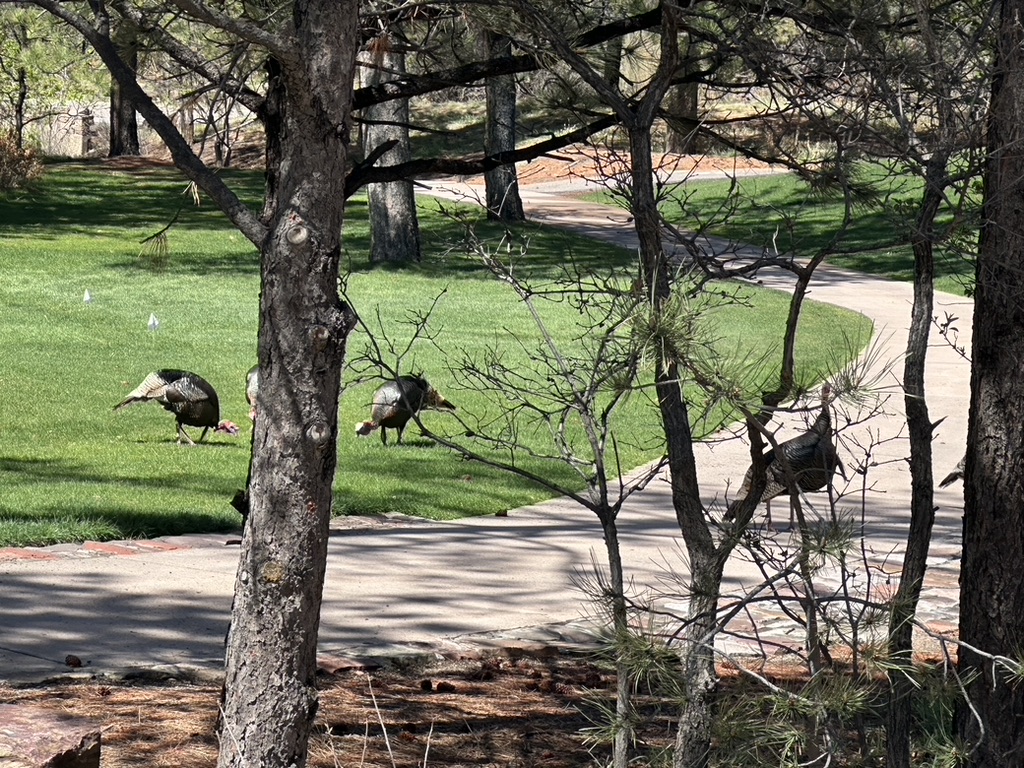
  • Always approach Wild Turkeys with caution, as they are large and potentially combative animals.
  • Contact a licensed rehabilitation facility for professional guidance before taking action.
  • Only approach an injured Wild Turkey if it is completely immobile and you can carefully and safely move it into a box. You may also seek the assistance of Emergency Services at 303-688-9447.
  • Once safely contained, they can be transported to a licensed rehabilitation facility in a closed, ventilated box.

What NOT to Do: Avoiding Well-Intended Harm

When we see an animal in distress, our instincts often lead us to feed or comfort it, but nonprofessional interventions can cause severe, permanent damage.

  • Do not offer food or water: Never feed an injured or ill bird or give it water unless explicitly directed by a licensed rehabilitation center. Birds have highly specialized diets that vary drastically by type, age, and time of the year. Nestlings can suffer permanent damage from improper feeding. Furthermore, following physical trauma, a bird’s gut may not function at all. The bird may also be unable to swallow normally, meaning food or water can easily enter its lungs.
  • Do not try to raise the bird yourself: Attempting to raise a wild bird, even for a short period, is highly discouraged. Feeding wild birds encourages imprinting, causing them to associate humans with food. Young birds must learn to find food on their own, avoid natural predators, and survive in the wild—skills that nonprofessional rehabilitators cannot teach them.
  • Know the law: It is illegal in the United States for unlicensed persons to keep a wild bird, except for the direct purpose of transporting it to a licensed facility. Birds fed and raised by nonprofessionals are significantly less likely to survive after release, even if they are capable of flying.

Local Wildlife Resources and Contacts

If you encounter a bird in need, keep this directory of local, licensed experts on hand:

  • Animal Help Now: A comprehensive resource for wildlife emergencies available online (https://ahnow.org).
  • Rocky Mountain Wildlife Alliance: Located nearby at 6490 N. US Hwy 85, Sedalia, CO 80135. They can be reached at 720-831-8130 or online (https://www.rmwalliance.org). Depending on their current resource availability, they may be able to assist with the transport of injured or ill raptors.
  • Greenwood Wildlife: Located at 5761 Ute Hwy, Longmont, CO 80503, they offer advice and rehabilitation services. Open daily from 9:00 a.m. to 4:00 p.m., they can be reached at 303-823-8455 or online (https://www.greenwoodwildlife.org/). For after-hours assistance, check their website or contact Animal Help Now at 303-543-0755.
  • Birds of Prey Foundation (BPF): Specializing in raptor advice and rehabilitation, they can be reached at 303-460-0674 or online (https://www.birds-of-prey.org/).
  • Colorado Parks and Wildlife: For a complete, up-to-date list of licensed wildlife rehabilitators throughout the state, visit the CPW portal (https://cpw.state.co.us/wildlife-rehabilitation-licenses).