Living in a Gated Community
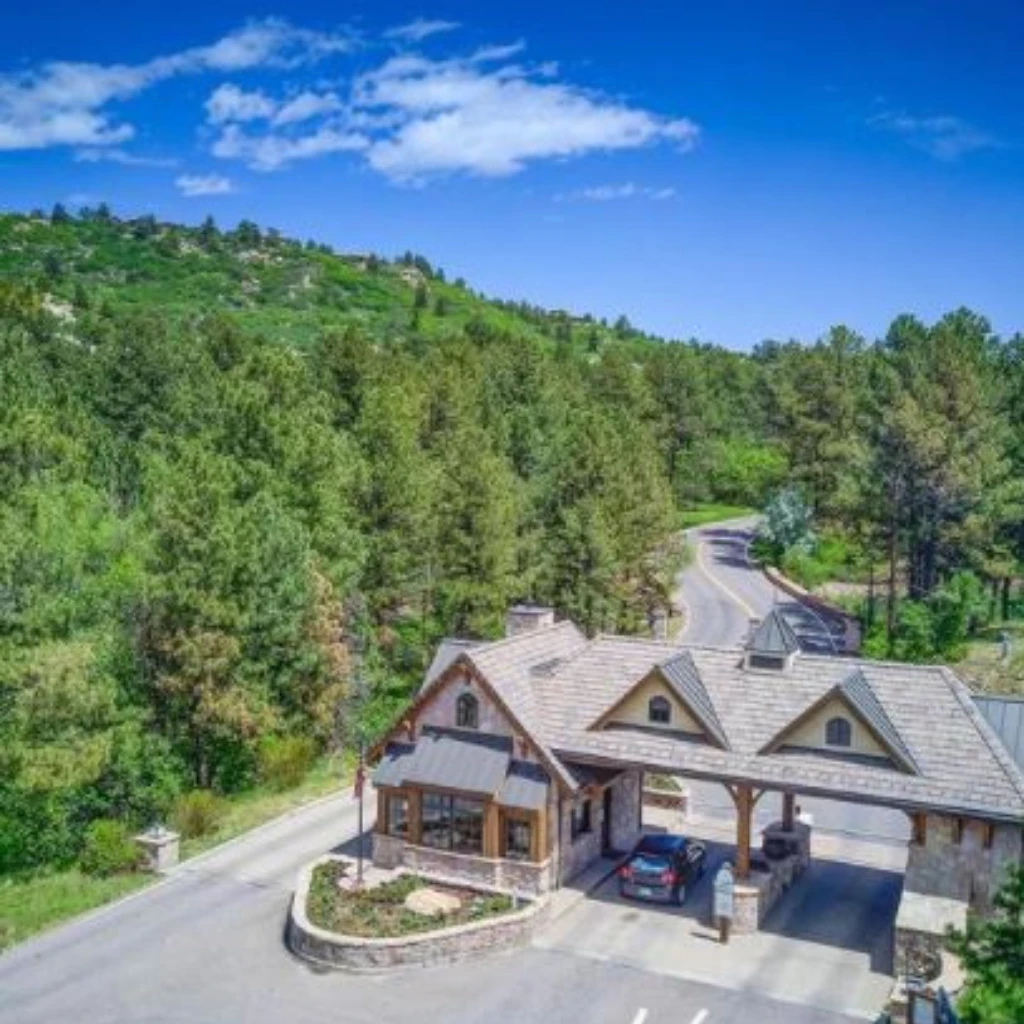
The Village at Castle Pines boasts an active and involved neighborhood. Several hundred members of the Homes Association were in
The Village at Castle Pines boasts an active and involved neighborhood. Several hundred members of the Homes Association were in



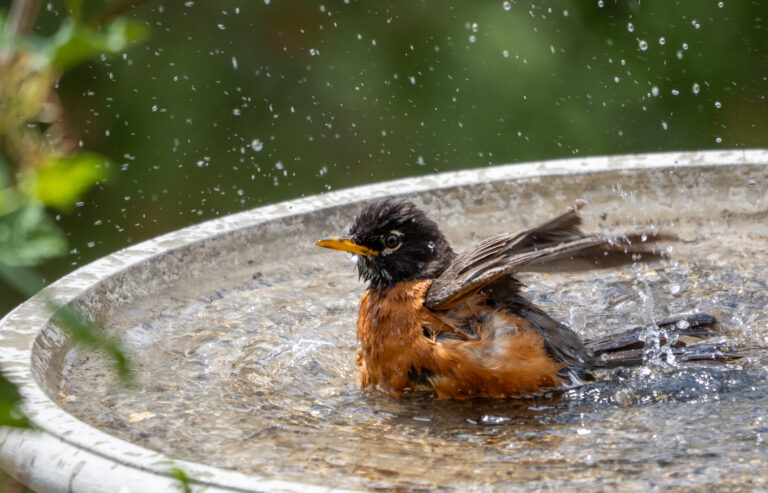
Living in The Village at Castle Pines gives us the incredible privilege of sharing our yards with beautiful avian species. However, many birds face substantial challenges right in our neighborhoods. The good news is that most major threats to birds are human-related—and entirely preventable. By making a few small, conscious changes around our homes, we can collectively support healthy, thriving bird populations. Let’s look at the primary threats our feathered friends face and how you can help.
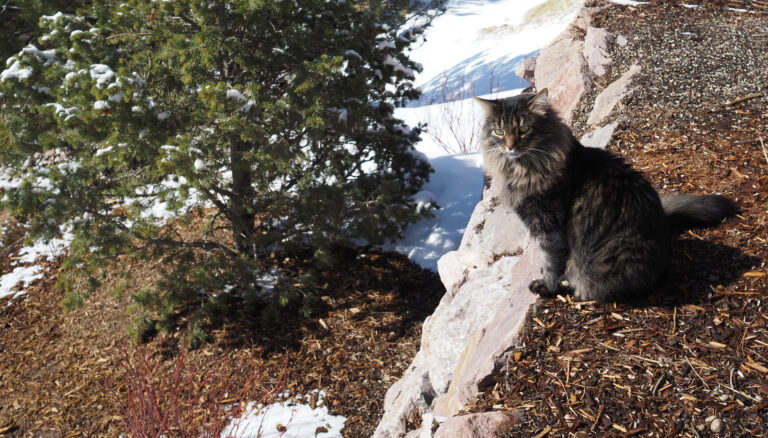
Free-roaming cats, whether they are beloved domestic pets or feral animals, stand as a leading human-related cause of bird mortality. Even well-fed household pets possess a natural instinct to hunt, posing a major risk to vulnerable fledglings and ground-feeding species.
Window collisions are one of the most significant causes of bird mortality today. Because birds cannot physically see glass, they frequently interpret reflections of the sky and trees as open, navigable habitat. Transparent “fly-through” views, created by front-to-back windows, are especially dangerous because birds mistakenly believe they can fly completely through the open space.
How you can help:
Artificial outdoor lighting severely disrupts natural migration, particularly for species that migrate under the cover of night. When exposed to bright artificial lights, birds quickly become disoriented, causing them to fly off course, get lost, or fatally collide with nearby structures. This continuous disruption negatively impacts normal migration patterns, hormonal cycles, and overall breeding success.
How you can help:
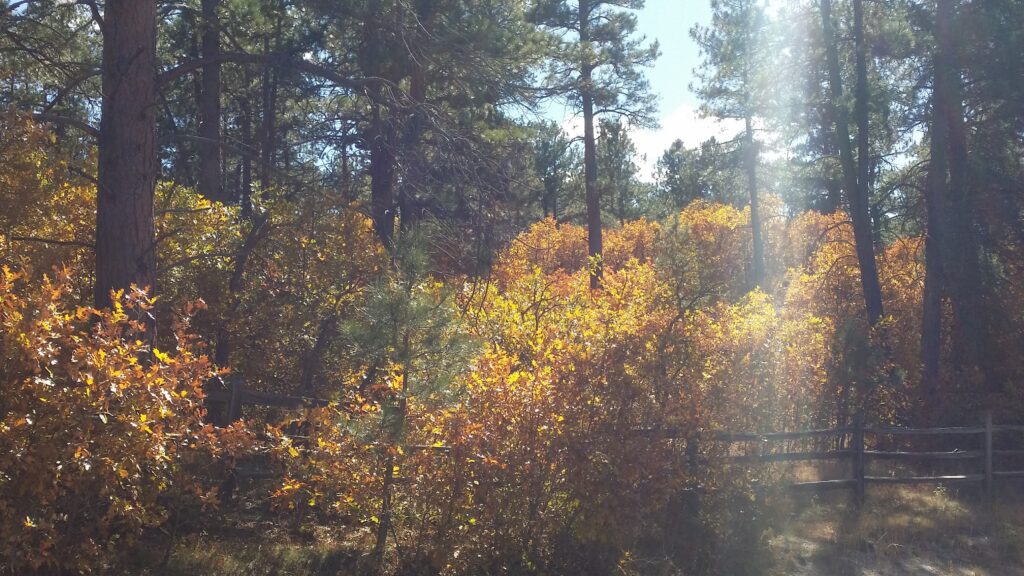
Local development has steadily broken up expansive natural habitats into smaller, isolated patches. This habitat fragmentation increases birds’ exposure to natural predators and frequent disturbances by humans. As a result, birds lose critical access to food sources, viable nesting sites, and protective cover.
Furthermore, many birds depend directly on native plants for food and nesting. Certain avian species require highly specific native flowers to survive, whereas non-native plants often support far fewer local insects, drastically reducing the birds’ primary food supply.
How you can help:
Insects are a necessity for birds, particularly during the breeding season, as almost all baby birds require insects rather than seeds to grow. Routine use of pesticides directly reduces these crucial insect populations and runs the risk of poisoning birds.
Similarly, herbicides can have severe adverse effects. They can cause toxic effects in birds, including death, reduced fertility, birth defects, and serious neurological disorders , while also decreasing plant diversity and stripping away vital seeds and insects. Majestic birds of prey, like raptors, suffer because they prey on smaller birds that have ingested these toxic chemicals.
Rodenticides pose an equally fatal threat, as birds can be secondary-poisoned by eating affected rodents or directly consuming rodenticide baits. The tragic results include internal bleeding, severe disorientation, impaired breeding, and a slow, prolonged death.
How you can help with garden pests:
How you can help with rodents:
Feeding birds brings immense joy to our community, but it comes with real responsibilities. Concentrating birds at feeders can increase their vulnerability to predators and dangerous diseases. Dirty feeders easily spread bacteria, viruses, fungi, and parasites , while poor feeder placement increases the risk of window collisions and ground predation.
When it comes to waterfowl like ducks and geese, feeding them bread and processed foods is nutritionally poor and highly harmful. Artificial feeding leads to overcrowding and degraded water quality, which significantly increases the risk of spreading deadly diseases like avian influenza.
Additionally, bird nest boxes are a wonderfully popular way to provide cavity-nesting species like bluebirds a safe space to raise a family. However, improper human activity can put these birds at serious risk. Opening a box at the wrong time or too frequently can cause chicks to fall out prematurely or prompt the adults to completely abandon the nest.
How you can help:
It is critical to keep the law in mind when interacting with wildlife. In the United States, it is illegal to take, kill, or otherwise disturb native birds, and this protection explicitly extends to their active nests containing eggs or chicks. You can review the specific Colorado legal statutes online (https://colorado.public.law/statutes/crs_33-6-128).
Furthermore, right here in The Village at Castle Pines, our local rules and regulations state that feeding wild birds – except for those that naturally come to designated backyard bird feeders – is strictly prohibited.
Key Takeaways for Homeowners