Realtors

New Residents

What to Know About Wild Turkeys in The Village: Safe, Respectful, and Effective Strategies to Coexist

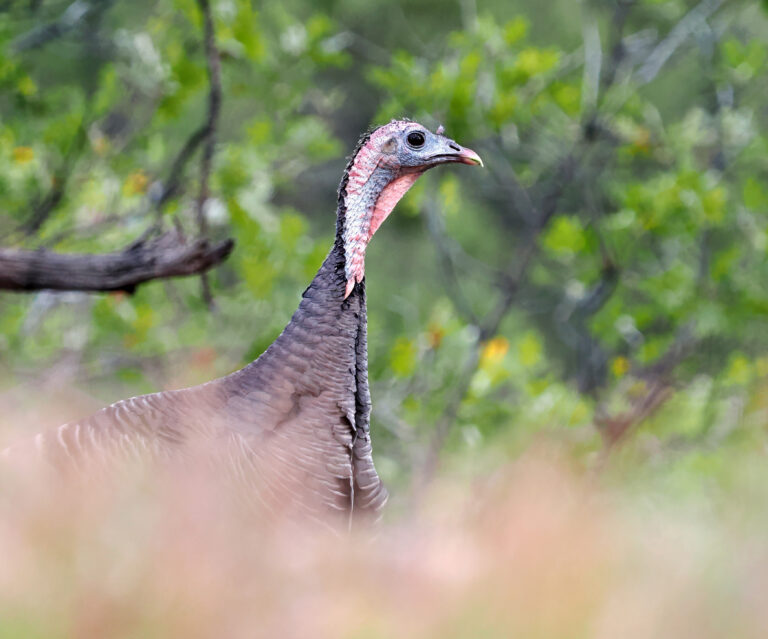
Living in The Village at Castle Pines means sharing our beautiful surroundings with an incredibly diverse array of native wildlife. Among the most distinct and recognizable of our local avian neighbors is the Wild Turkey. To ensure we can live alongside these fascinating, large birds harmoniously, it is helpful to understand their seasonal habits and how we can best interact with them around our properties.

Habitat Features of Our Local Wild Turkeys

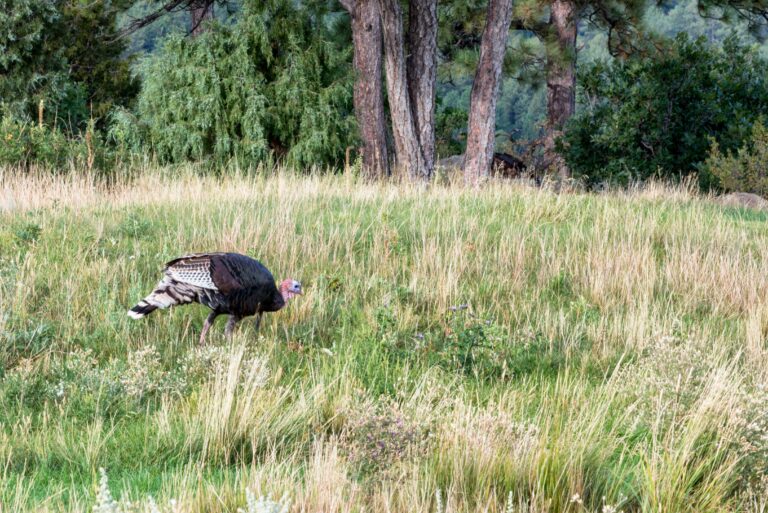
Wild Turkeys are highly adaptable birds that easily thrive in foothills landscapes like ours, which combine open grasslands, woodlands, and nearby water sources. Within our community, they depend on specific natural features to meet their daily survival needs:

  • Roosting and Nesting: Turkeys rely heavily on mature trees for secure nighttime roosting, and they seek out brushy or grassy cover when it comes time for nesting.
  • Natural Cover: Our community’s abundance of Ponderosa pine and Gambel oak provides excellent roosting sites and vital protection from natural predators such as coyotes, bobcats, and Great Horned Owls.
  • Foraging Preferences: They utilize open areas for foraging, where natural foods—including acorns, berries, seeds, and insects—serve as their primary attractants.

Understanding Their Seasonal Behavior

A wild turkey’s behavior shifts noticeably depending on the time of year, driven by breeding cycles and food availability:

  • Spring and Summer: During the spring and summer months, male turkeys (known as toms) frequently display vivid gobbling and strutting behaviors, and larger flocks typically break up as hens head off to nest. Homeowners should be aware that males can occasionally become aggressive during the peak breeding season from March to May if they mistakenly perceive humans as territorial rivals.
  • Fall and Winter: As the weather cools, individual turkey flocks re-form. Their diets shift primarily to available seeds and nuts, and quite large groups may gather together in localized areas that provide reliable food and protective thermal cover.

Legal and Safety Considerations in The Village

When navigating life with our local turkey population, there are several strict community guidelines and state laws that homeowners must keep in mind:

  • Strict Feeding Prohibitions: Colorado Parks and Wildlife (CPW) strongly discourages the feeding of wildlife, including turkeys, and our local Village regulations explicitly prohibit it. Artificial feeding is highly detrimental because it significantly increases wildlife disease risks, encourages aggressive behaviors, and directly attracts dangerous predators to residential yards.
  • Harassment Protections: Just like with other protected wildlife species, both CPW and The Village at Castle Pines strictly prohibit the harassment of Wild Turkeys.
  • Relocation Rules: Homeowners are not permitted to take matters into their own hands; physically removing or relocating a wild turkey requires an official, specialized permit from Colorado Parks and Wildlife.

The Do's and Don'ts of Turkey Coexistence

To keep your property secure and ensure these unique birds remain wild and self-sufficient, practice these straightforward daily standards:

The Do’s

  • Always observe Wild Turkeys from a safe, respectful distance.
  • Tightly secure your household trash cans, outdoor pet food, and any stored birdseed.
  • Meticulously sweep up and remove any spilled seed from beneath your backyard bird feeders, as this ground spillage is a primary reason turkeys are drawn into residential yards.
  • Give turkeys plenty of extra space during the spring months when breeding behaviors make them more defensive.
  • Keep your household pets indoors or closely supervised whenever turkeys are actively present on your property.
  • Reach out directly to Castle Pines Emergency Services at 303-688-6447 or contact Colorado Parks and Wildlife if a turkey becomes unusually bold or aggressive.

The Do Nots

  • Do not feed wild turkeys under any circumstances.
  • Do not allow your dogs or other domestic pets to chase or corner turkeys.
  • Do not approach, crowd, or corner turkeys, which can easily provoke a defensive, combative reaction.
  • Do not disturb turkey nests, eggs, or their young.
  • Do not attempt to trap, catch, or relocate turkeys on your own.