
Realtors

New Residents

NEWS

Colorado Mountain Homes

Finding Your Perfect Rocky Mountain Retreat

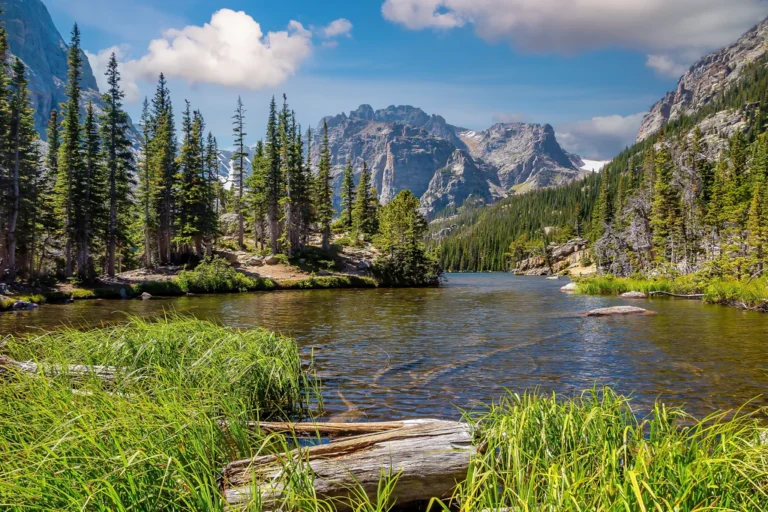
When prospective buyers begin dreaming of life in the Rockies, their minds often paint a very specific picture: a rustic, hand-hewn log cabin tucked deep within a snow-dusted aspen grove, or a towering alpine sanctuary perched precariously on a cliffside. In reality, the spectrum of mountain homes in Colorado is incredibly vast. It spans from historic, off-the-grid cabins to magnificent, multimillion-dollar luxury mountain homes featuring cutting-edge architecture, sweeping walls of glass, and state-of-the-art sustainable design.

For individuals and families relocating from out of state, understanding the geographic landscape of the Colorado Rocky Mountain region is crucial. There is an essential operational distinction between purchasing a property situated deep in the high country versus investing in a home near the mountains within a luxury Front Range community. While the rugged allure of remote ski towns is undeniable, many buyers searching for Colorado mountain homes for sale ultimately discover that their perfect fit lies in a master-planned community with mountain views close to Denver. These unique neighborhoods offer the genuine look, feel, and majesty of mountain living without requiring the logistical sacrifices of high-country isolation.

What Are Colorado Mountain Homes?

The definition of a Colorado mountain home has evolved significantly over the past few decades. While traditional aesthetics rooted in exposed timber and native stone remain deeply popular, modern buyers are increasingly drawn to open-concept layouts, expansive outdoor living spaces, and floor-to-ceiling windows that erase the boundary between the interior and nature. However, the physical architecture of the home is only one part of the equation; the true definition is dictated by location and accessibility.

The Colorado Rocky Mountain region covers thousands of square miles, encompassing distinct sub-regions that appeal to different types of buyers. From the high-alpine peaks of the Continental Divide to the rolling foothills of the Front Range, each area offers a vastly different lifestyle. For out-of-state buyers, navigating this geographical diversity can be challenging, which is why working with local experts who understand topography, microclimates, and regional infrastructure is an indispensable step in the purchasing journey.

The Reality of Mountain Living: Living In the Rockies vs. Living Near the Rockies

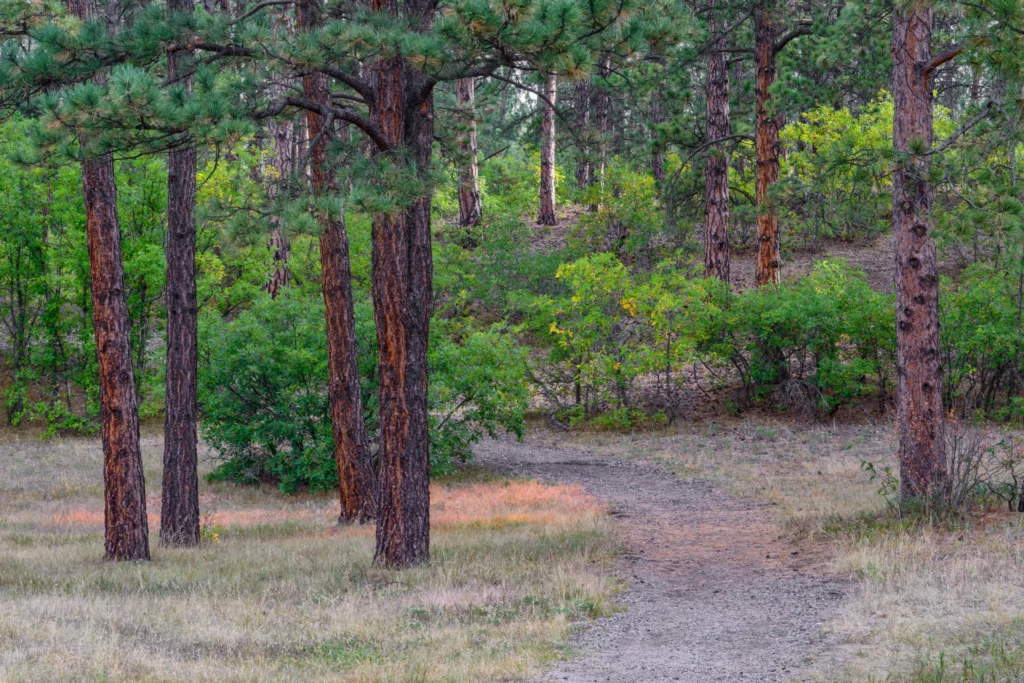
There is a profound difference between desiring a mountain view and committing to a mountain lifestyle. Most buyers moving to our beautiful state are seeking the aesthetic and sensory experience of the Rockies—the panoramic silhouette of snow-capped peaks on the horizon, the scent of crisp Ponderosa pines, and the liberating feeling of open space. They want a home that serves as a true sanctuary from the hectic pace of modern life.

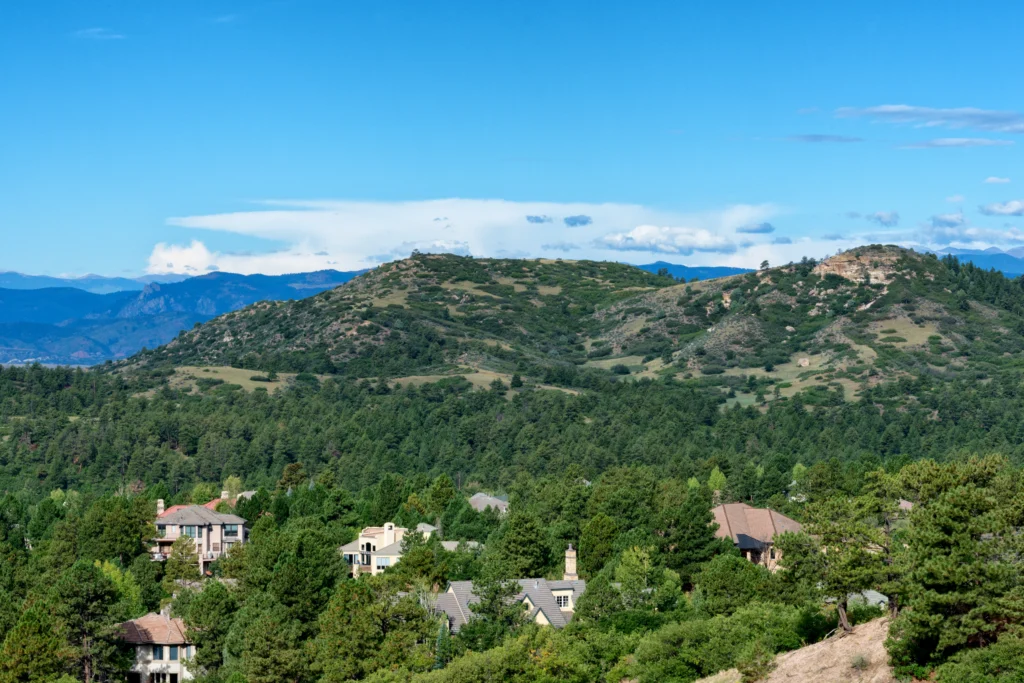
However, living deep in the high country requires a heavy “convenience tax” that can quickly complicate daily life. Severe winter blizzards, treacherous pass closures, exhausting weekend traffic along Interstate 70, and long drives over icy roads just to take children to school or visit a physician can turn a dream mountain house into a source of daily friction. Private Front Range communities completely change this narrative. Neighborhoods like The Village at Castle Pines provide unique topography, dense forestation, and sweeping mountain views that buyers crave, while anchoring them to top-tier school districts, excellent medical centers, and urban amenities that make a lifestyle convenient and sustainable for the long term.

Challenges of Living in the High Country

Before committing to a remote high-altitude home, smart buyers must evaluate the practical and structural hurdles that accompany remote mountain life:

  • Seasonal Accessibility and Road Closures: At elevations above certain thresholds, weather becomes less predictable and more perilous. Heavy snow accumulation can cut off remote access roads for days, while winter ski traffic frequently paralyzes main highways, turning short drives into grueling multi-hour tests of patience.
  • Inflated Construction and Maintenance Costs: Building or maintaining a home in a remote mountain setting can be immensely expensive. Steep slopes require intricate structural engineering, blasting through granite bedrock, and designing for massive snow loads. Furthermore, finding specialized contractors willing to travel to remote locations adds a persistent premium to routine maintenance.
  • Insurance and Wildfire Considerations: Homeowners insurance has become a complex hurdle in heavily forested mountain regions given the heightened unpredictability of our current weather reality. Wildfire mitigation, high snow-load risks, and elevation-related structural demands mean premiums can be astronomical—if coverage can be obtained at all.
  • Infrastructure and Connectivity Bottlenecks: Despite modern advancements, spotty cellular service, limited availability of high-speed broadband, and frequent utility disruptions remain common frustrations on isolated mountain properties, significantly impacting anyone attempting to work remotely.
  • The Convenience Gap: Daily life becomes highly time-consuming when the nearest grocery store, high-performing school, or specialized healthcare provider is a 45- to 60-minute drive over challenging winter terrain.

The Front Range: Mountain Living With Urban Access

The Front Range corridor offers a brilliant geographical alternative. Cradling the eastern edge of the Rocky Mountain foothills, this highly desirable region provides an unmatched geographic balance: immediate proximity to pristine wilderness paired with seamless access to Denver’s robust economic engine, elite professional sports, fine dining, world-class medical care, and cultural institutions.

Living along the Front Range means you are within a highly predictable, short drive of Denver International Airport (DIA)—the third busiest airport in the United States, and tenth busiest in the world—making national and international travel effortless. Simultaneously, you remain close enough to the high country to enjoy spontaneous weekend trips to world-class ski resorts like Vail, Breckenridge, and Frisco, as well as hiking trails and Rocky Mountain National Park. It is a location specifically engineered for those who want a true mountain lifestyle without an ounce of compromise.

What to Look for in a Front Range Mountain Community

Before committing to a remote high-altitude home, smart buyers must evaluate the practical and structural hurdles that accompany remote mountain life:

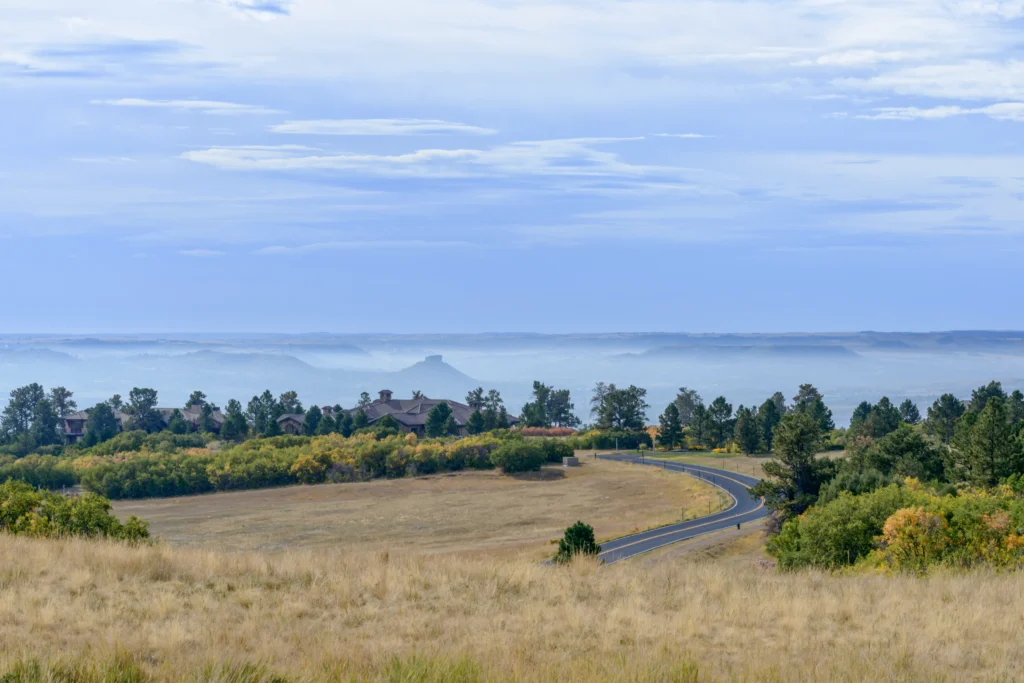
  • Authentic Alpine Topography: Look for communities situated between 6,000 and 6,500 feet of elevation. This unique geographic sweet spot delivers true alpine character, dramatic sandstone outcroppings, steep ridges, and native pine forests, alongside panoramic views of Pikes Peak and the Front Range.
  • Preserved Open Space and Trail Systems: A premier community should integrate seamlessly with its environment, protecting contiguous open space and hosting private trail systems where residents can hike, bike, and view native wildlife safely.
  • Strictest Architectural Standards: Timeless beauty is preserved through rigorous design guidelines that mandate the use of high-quality, natural materials (such as timber and native stone), ensuring that every custom home harmonizes visually with the landscape. Dark sky lighting policies further encourage wildlife to live harmoniously with humans.
  • Privacy and Natural Landscaping: Homesites should optimize privacy, clustering residences within mature pine canopies and utilizing natural topography rather than traditional suburban clear-cutting.
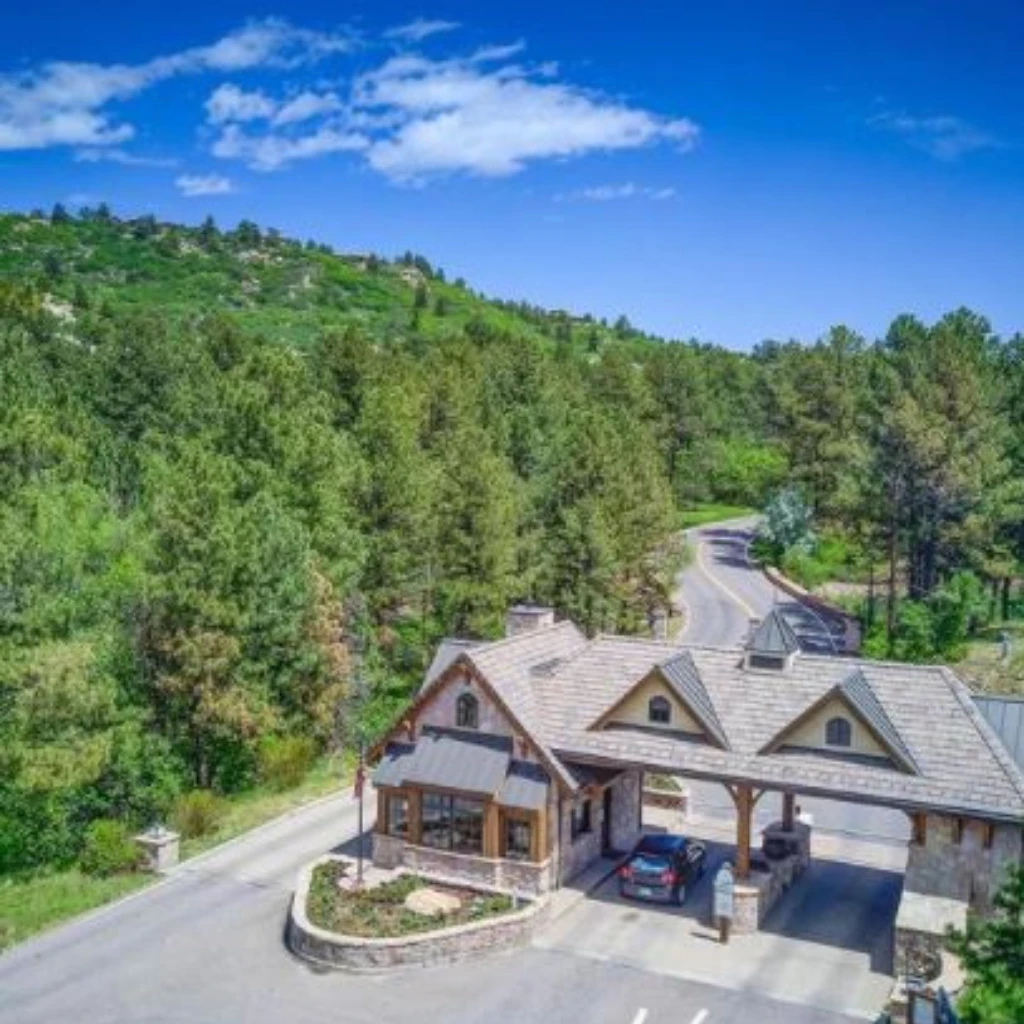
  • Gated Security and Neighborhood Management: True peace of mind requires comprehensive community management, controlled gated access, and private, on-site emergency monitoring.
  • Immediate Proximity to Essentials: Top-rated public and private schools, high-end shopping districts, gourmet dining, and premier regional medical centers should be within a 10- to 15-minute drive for maximum convenience.

Spotlight: The Village at Castle Pines

For buyers seeking to perfectly bridge the gap between a mountain retreat and metropolitan convenience, The Village at Castle Pines stands alone as Colorado’s premier gated master-planned community. Spanning over 2,800 acres of breathtaking, densely forested terrain in Douglas County, this exclusive private sanctuary is home to over 235,000 mature trees, varied topography, stunning views, and abundant native wildlife, including bears, deer, elk, and wild turkeys.

An Unrivaled Location

The Village at Castle Pines is masterfully positioned to offer quiet seclusion alongside rapid connectivity. It sits just 15 minutes south of the thriving Denver Tech Center (DTC), 35 minutes from downtown Denver, and 40 minutes from Denver International Airport. Whether you are commuting to an executive office, catching a cross-country flight, or heading west into the mountains for a day on the slopes, your travel times are remarkably short and stress-free.

Resort-Style, Nature-Focused Amenities

Life within The Village is designed to celebrate the great outdoors. The community boasts an extraordinary array of first-class amenities, including 13 miles of paved, groomed, and natural walking and biking trails that weave through the forested open space. Residents enjoy two premier recreational complexes—the Canyon Club and the Summit Club—which feature zero-entry pools, pools with water slides, adult lap pools, outdoor hot tubs, five USTA regulation tennis courts, and three dedicated pickleball courts. A state-of-the-art fitness center, complete with a professional yoga studio and cardio amenities, ensures wellness is always close to home.

World-Class Golf at Your Doorstep

The community is intrinsically linked with a deep love for the land and the game of golf. It features two private, world-renowned Jack Nicklaus signature golf courses: The Country Club at Castle Pines and the legendary Castle Pines Golf Club, a world-class venue famous for hosting elite PGA Tour tournaments, including the BMW Championship. Residents can enjoy manicured fairway views and members enjoy premier country club dining right inside their neighborhood.

Uncompromising Security and Peace of Mind

Safety is an absolute priority. The Village at Castle Pines is completely gated and protected by five fully staffed entry gates. A professional, in-house Emergency Services team of 40 full-time officers manages access and patrols the neighborhood 24/7/365. Critically, there is always a certified EMT on shift, guaranteeing immediate, world-class medical response times that are simply unavailable in remote mountain towns.

A Diverse Range of Luxury Mountain Homes

The real estate within The Village is thoughtfully curated to fit a variety of sophisticated lifestyles, from growing families and busy professionals to active retirees and lock-and-leave travelers. The property selection includes low-maintenance, elegant luxury villas, modern townhomes, and spectacular custom-built luxury estates that emphasize timeless Colorado elegance. Reflecting the exceptional quality of construction and long-term value of the community, home prices typically range from approximately $900,000 to over $6,000,000, ensuring an option that matches your precise vision of a dream mountain house.

Experience Mountain Living Without Compromise

You don’t have to choose between the wild beauty of the Rocky Mountains and the operational comforts of modern life. Discover the unparalleled luxury, security, and natural beauty of our gated sanctuary.

Visit thevillagecastlepines.com to explore our world-class amenities, or connect with our team to schedule your private, guided tour today.

Facebook
Twitter
Email

Colorado Mountain Homes

For individuals and families relocating from out of state, understanding the geographic landscape of the Colorado Rocky Mountain region is crucial. There is an essential operational distinction between purchasing a property situated deep in the high country versus investing in...

School & Family Resources Guide for New Denver Metro Residents

The Denver metro offers a variety of family-friendly neighborhoods, each with its own unique charm and amenities. From top-rated schools and spacious parks to a strong sense of community, these neighborhoods cater to the needs of young families. Whether your...

View of sunset from the Village at Castle Pines in Colorado.

What’s So Great About Living in Denver?

When people ask what makes living in Denver so special, the conversation usually starts with the natural light. We famously boast over 300 days of sunshine a year, which means even in the depths of winter, the sky is often...

Showing Slide 1 of 4